Gainesville, FL
Garage Door Spring Repair Across the Gainesville Area
Broken torsion spring on a Gainesville garage door? We work the service area's 1960s-2000s housing stock, the mild-climate wear pattern, and get springs fixed right the first time.
What Can Go Wrong
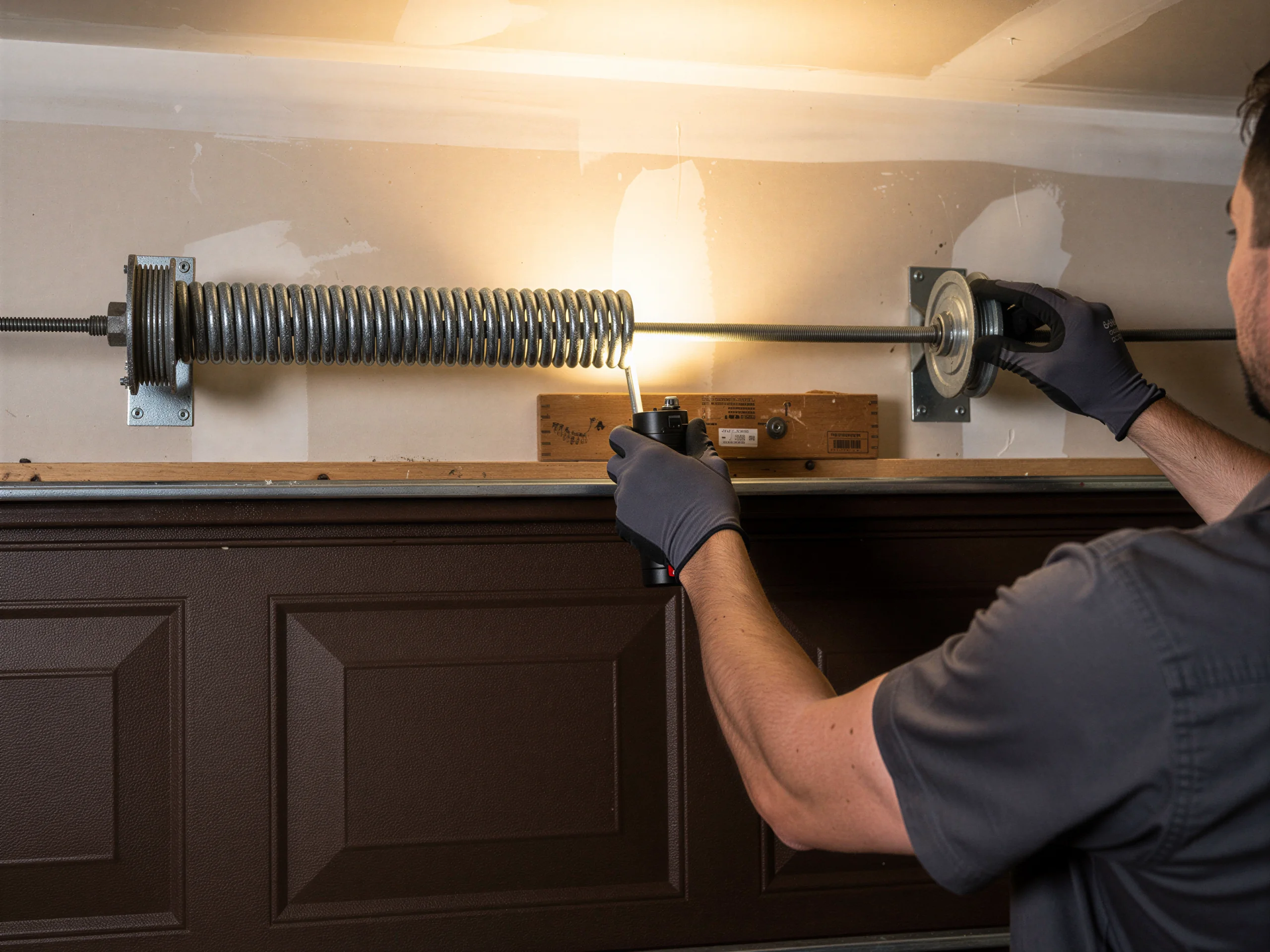
A garage door spring fails in one of two ways: it snaps clean, usually with a bang loud enough to bring you out of the house, or it stretches and sags until the door won't hold its own weight anymore.
Torsion setup on older homes
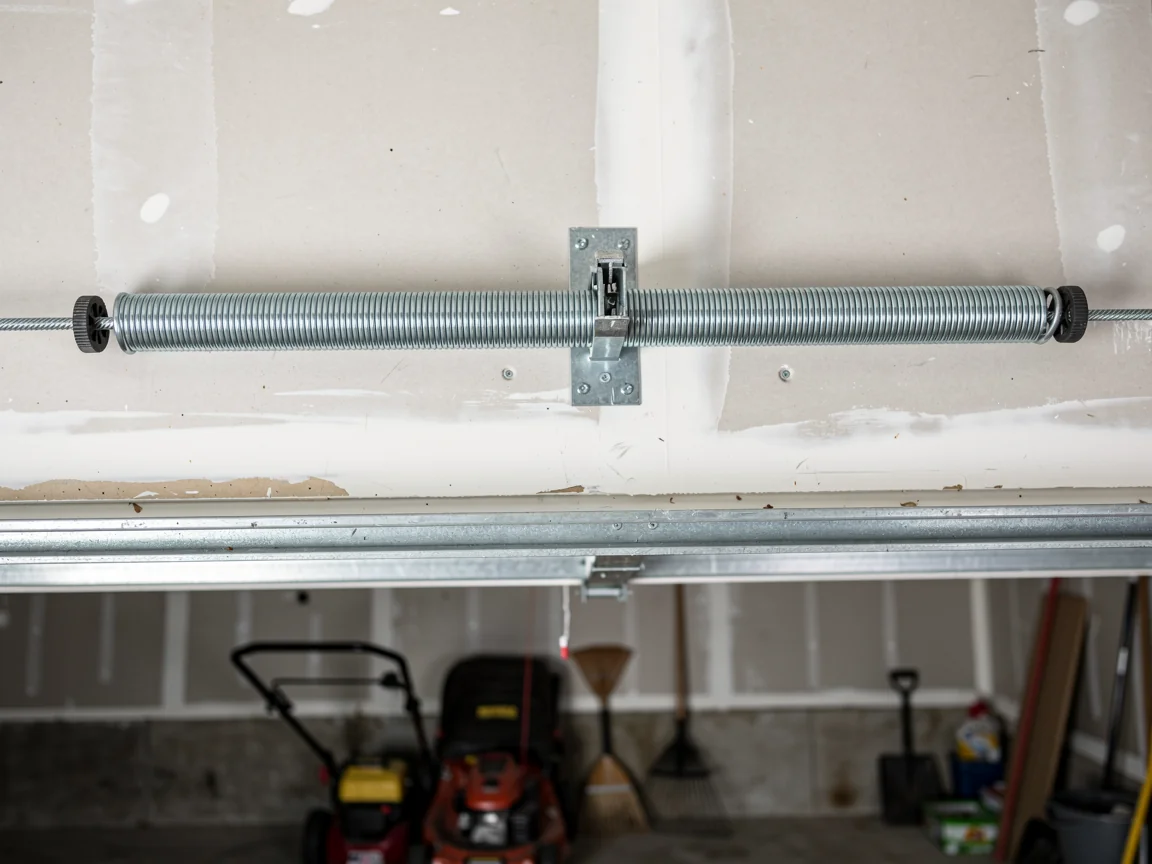
On the houses we see across this service area, built mostly between 1967 and 2004 with the median landing around 1975, the common setup is a single torsion spring mounted above the door, or on older builds, a pair of extension springs along the horizontal tracks.
Fatigue from cycle counts
Either one wears out the same way: thousands of open-close cycles fatigue the steel until it gives. When it goes, the opener usually tries to force the door anyway, which strips gears or burns out the motor if nobody catches it in time. Cables can also jump the drum once spring tension drops, and that's a different repair than a straight spring swap.
Replace springs as a pair
We won't quote a spring job over the phone without knowing which failure you've actually got, because guessing wrong means a second trip and a second bill. The one thing we won't do is sell you a single new spring on a two-spring door - if one side is worn, the other is close behind, and mismatched springs throw the door off balance fast.
Why It Happens Here
Housing stock across this service area is heavy on 1960s and 70s construction in seven of the neighborhoods we work, and that era of garage door hardware just wasn't built for a fifty-year service life. A torsion spring rated for a given number of cycles doesn't care how old the house is around it - it cares how many times the door has gone up and down, and a house built in 1975 has had a long time to rack up cycles. Add the climate: this area sits in a mild band but still gets real freezes a handful of times a winter. That freeze-thaw swing matters more than people think. Steel contracts in the cold, and a spring that's already fatigued from decades of cycling is more likely to pick a cold morning to let go than a warm one. Humidity swings also speed up surface rust on coils that were never galvanized to begin with, which is common on original hardware from that period. None of this is dramatic weather - no hurricanes needed - just ordinary temperature swings working on springs that were installed when Ford was president and never replaced since.
What the Fix Involves
A proper spring repair starts with unloading the existing tension safely - not something to do yourself with winding bars you found in a drawer.
Measuring wire gauge and wind
We measure the shaft, drum size, and door weight to spec the right wire gauge and wind, because a spring that's close but not exact will wear out again in a fraction of the rated cycles. On torsion setups we replace both springs together even if only one broke, for the balance reason above.
Inspecting bearings and cables
We also check the cables, end bearings, and center bracket while the tension's off, since those parts take the same decades of wear and a frayed cable is a cheap add-on next to coming back out for it later. Once the new spring's wound to spec, we balance the door by hand - it should hold still at waist height with the opener disconnected.
Obsolete shaft hardware waits
If it drifts up or down, the wind isn't right yet. The honest limitation here: some older torsion shafts and brackets are sized differently than anything made today, and matching obsolete hardware can mean a short wait on a part instead of a same-visit fix. We'll tell you up front if that's the case rather than force a part that doesn't fit.
The Symptom
The giveaway is almost always one of a few things: a loud bang from the garage followed by a door that won't budge, a door that opens a few inches and stops, or a door that feels like it's falling the last foot before it hits the ground.
Gap in spring coil
Sometimes it's quieter - the opener just strains harder every week, making a grinding sound as the motor does work the spring used to do. If you look up and see a visible gap in the coil above the door, that's a broken torsion spring and the door should stay closed until it's fixed.
Morning door stuck
Across the roughly 8,003 owner-occupied houses in the area we serve, most of these calls come in the same way: someone goes to leave for work, hits the opener button, and the door doesn't move.
Not a battery issue
That's not a battery or sensor problem - that's a spring problem, and it only gets more expensive to ignore if the opener keeps trying to force a door it can't lift.
Questions
Common questions
Why did my garage door spring break with no warning?
Springs fail by fatigue, not by accident. A torsion spring is rated for a set number of open-close cycles, and once a house has been through decades of daily use, it's simply used up. Cold mornings and rust speed up the end, but the spring was already near the end of its life either way.
Can I replace just the broken spring, or do I need both?
If your door runs on two torsion springs, we replace both even when only one breaks. The surviving spring is the same age and has taken the same cycles, so it's close behind. Mismatched springs throw off the door's balance and strain the opener unevenly.
Is spring repair something I can do myself?
We don't recommend it. A wound torsion spring holds enough stored energy to cause serious injury if the winding bars slip, and getting the wind count wrong means a door that's dangerously out of balance. This is one job where the risk outweighs the savings.
How fast can you get to a broken spring?
Timing depends on the day and the part needed for your specific hardware. Most original-era torsion shafts take a standard spring, but some older or nonstandard setups need a specific size, which can add a short wait.
Explore more
Explore More Services In Gainesville, FL
Garage Door Panel Replacement in Gainesville
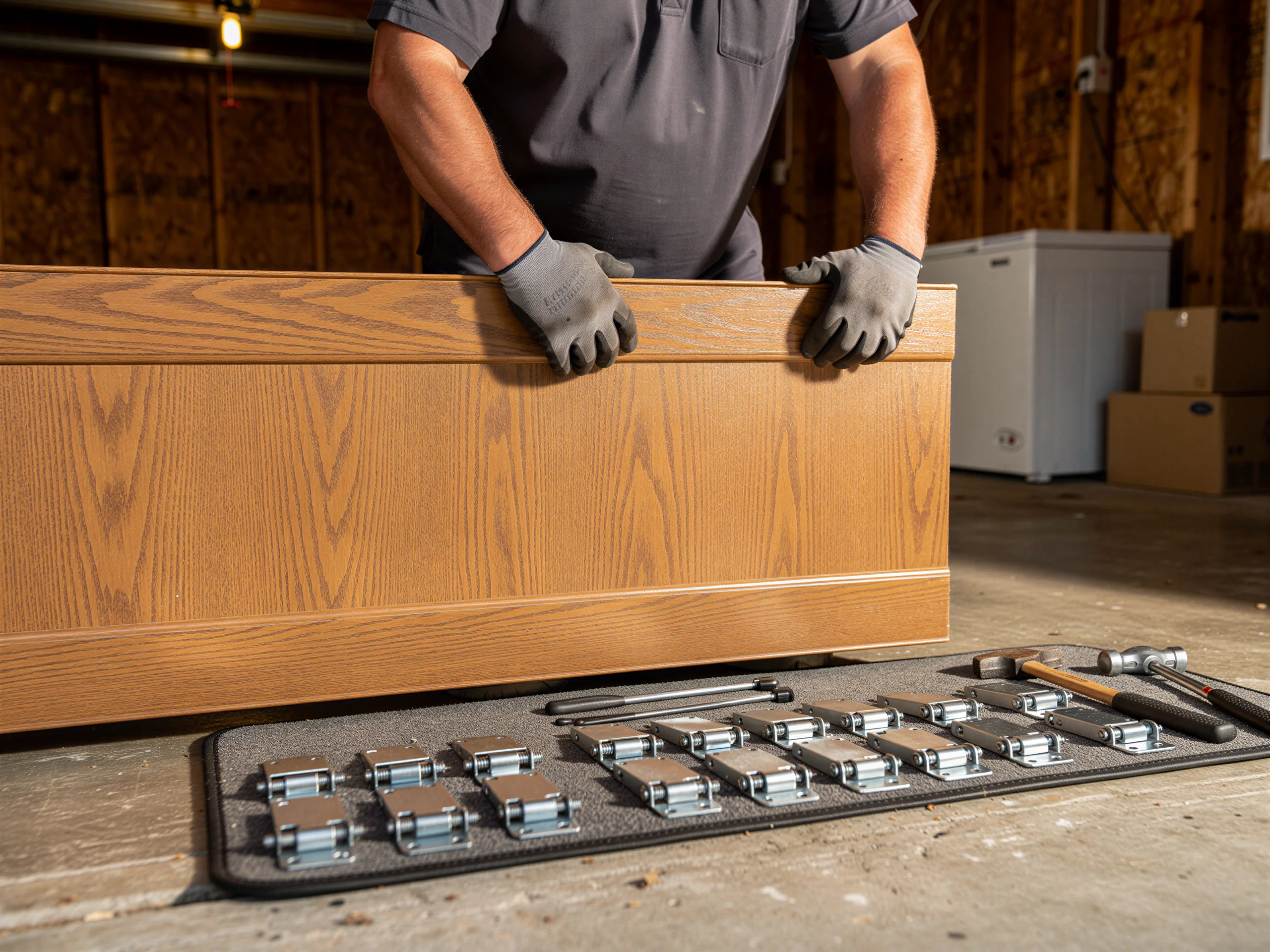
Garage door panels on Gainesville homes built from the 1960s through the 1990s dent, rust, and warp with age. Learn more →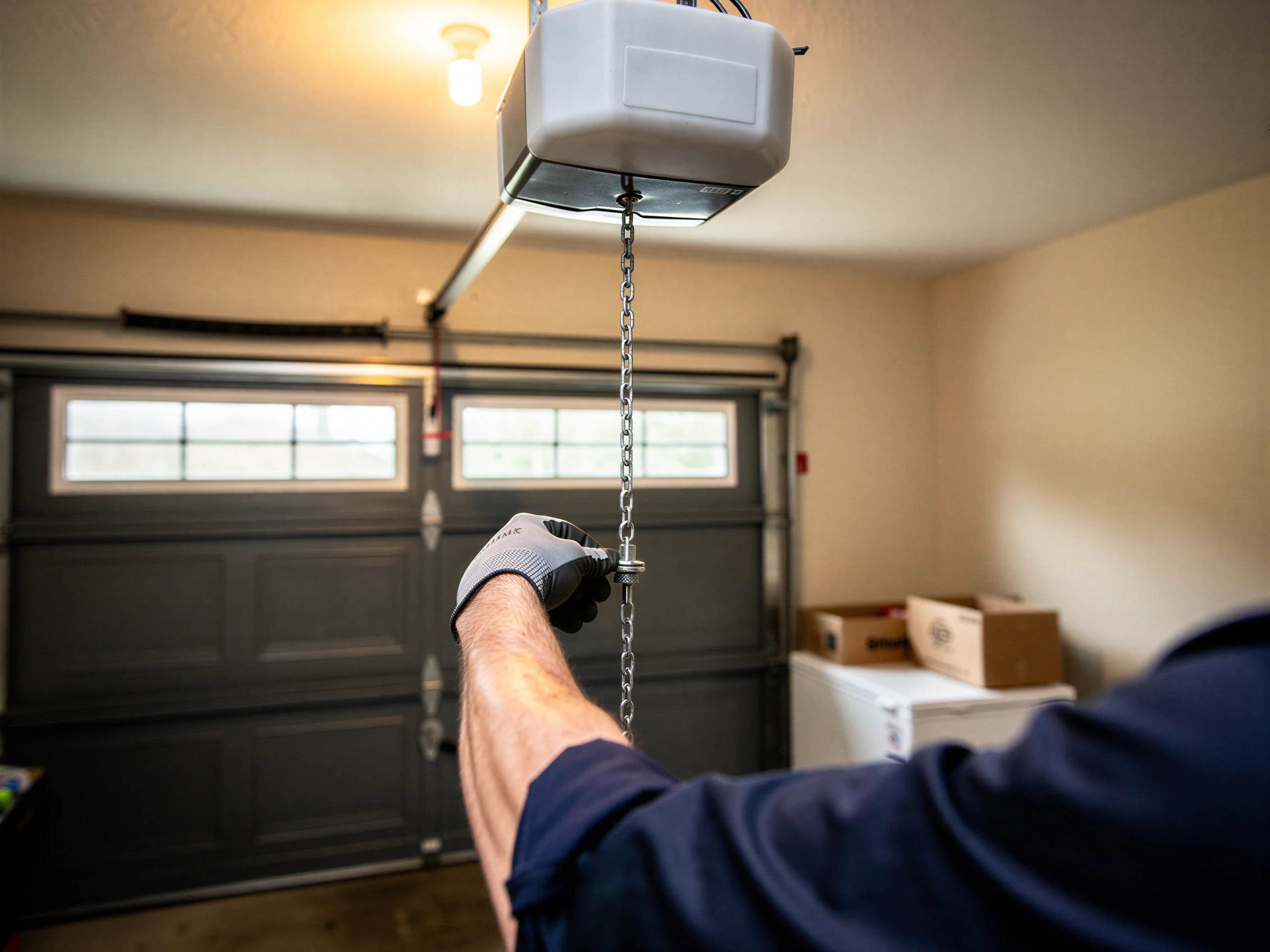
Gainesville Garage Door Opener Repair
Garage door opener repair for Gainesville's 1960s-80s homes: worn gears, failing circuit boards, and openers original to the house since the 1970s era. Learn more →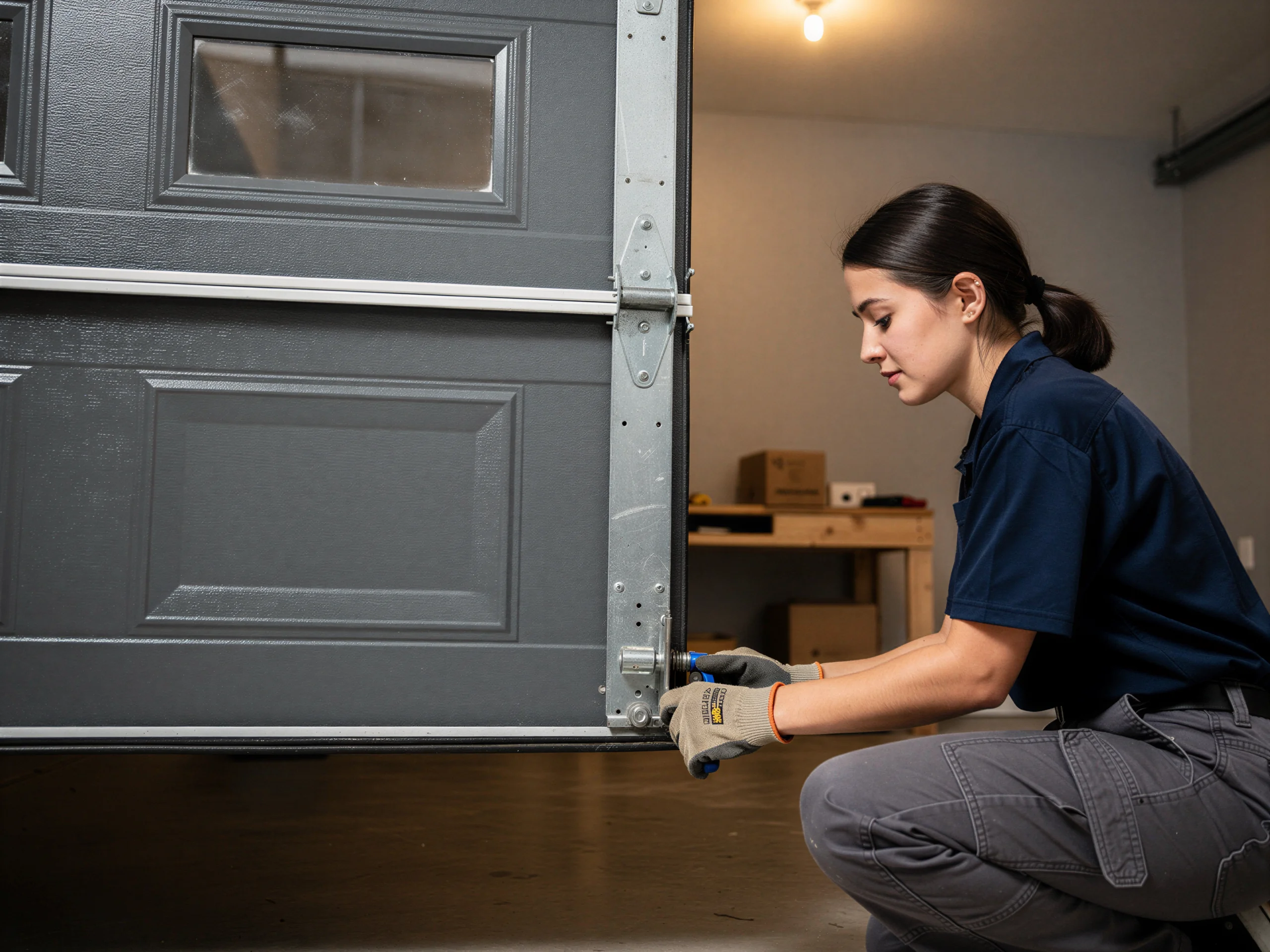
Garage Door Repair for Gainesville Homes
Gainesville garage door repair for homes built from the late 1960s through the early 2000s, with fixes suited to the area's mild, humid climate and aging torsion hardware. Learn more →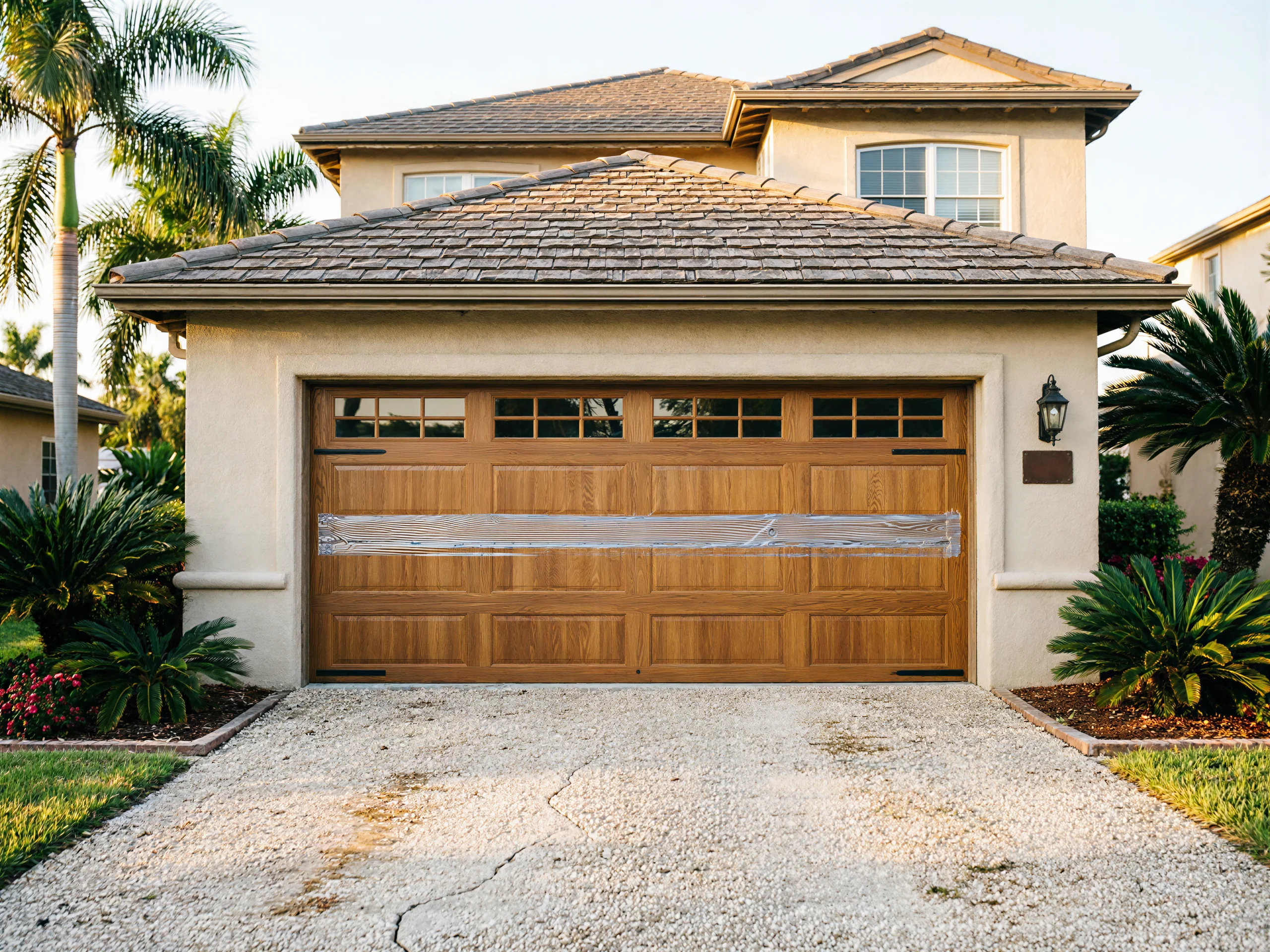
Garage Door Installation for Gainesville's Older Housing Stock
Gainesville homes built mostly 1967-2004 often carry original hardware that doesn't fit current doors. Learn more →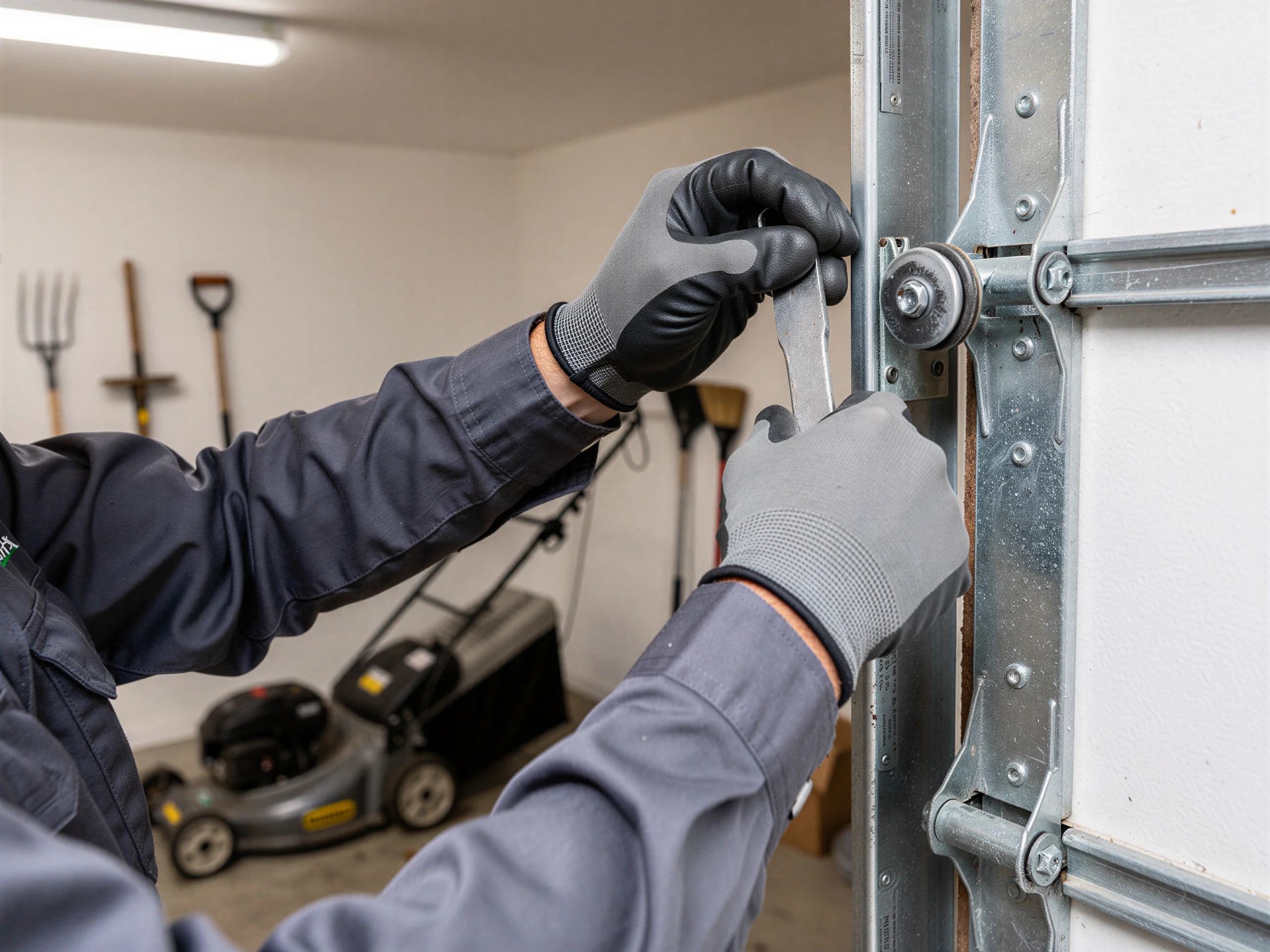
Garage Door Off Track: Why It Happens in Gainesville and What Fixing It Takes
Garage door jumped the track in Gainesville? Learn more →
Emergency Garage Door Repair Across the Gainesville Area
Broken spring or dead opener at 11 PM? Learn more →Ready when you are
Broken garage door spring in Gainesville?
Gainesville Garage Door Pros repairs and installs garage doors, springs and openers in Gainesville, FL and the surrounding area.