 What We Actually Do on a Gainesville Service Call
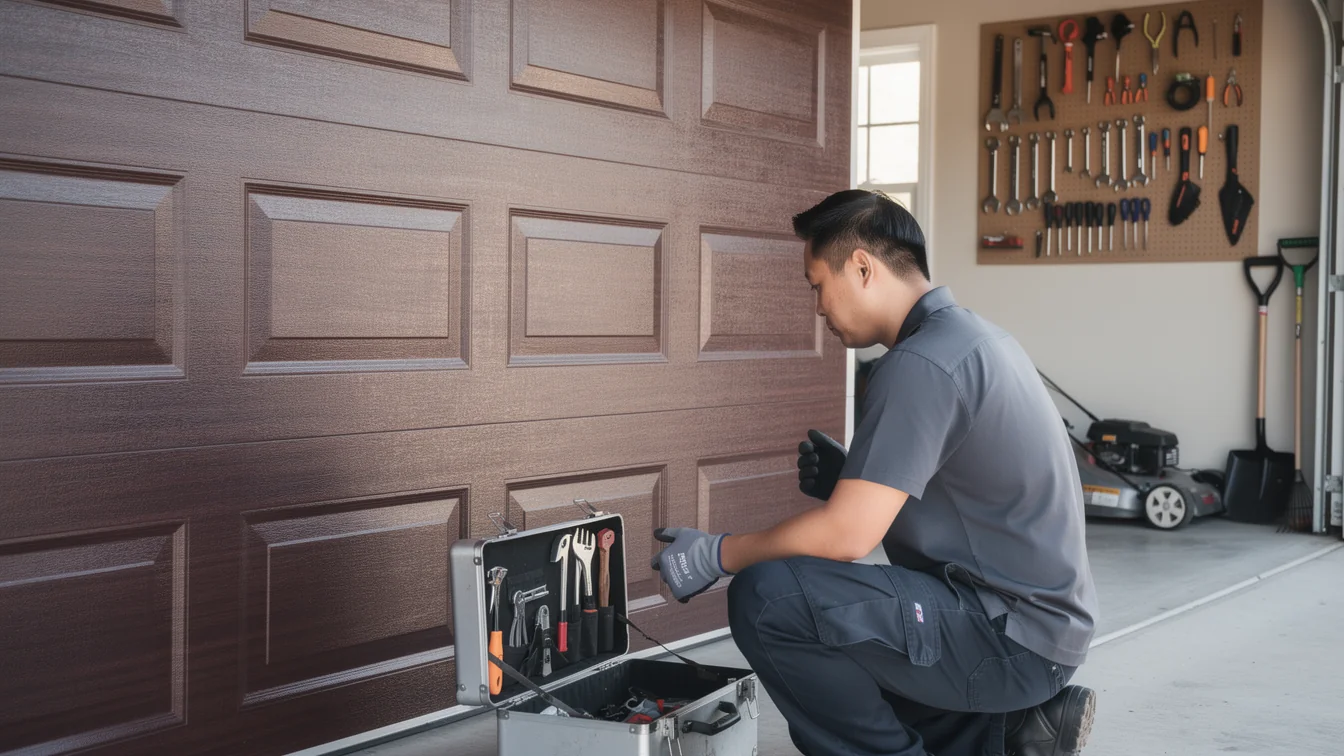
A look at what our techs actually check on a Gainesville service call, from 1970s torsion hardware to how mild winters and humidity wear doors differently here.
Older Garage Doors in Gainesville: When to Repair and When to Replace
A look at when a 1970s-era Gainesville garage door is worth repairing versus replacing, based on the area's housing age, hardware, and mild-climate wear patterns.
Local detail
The Problem
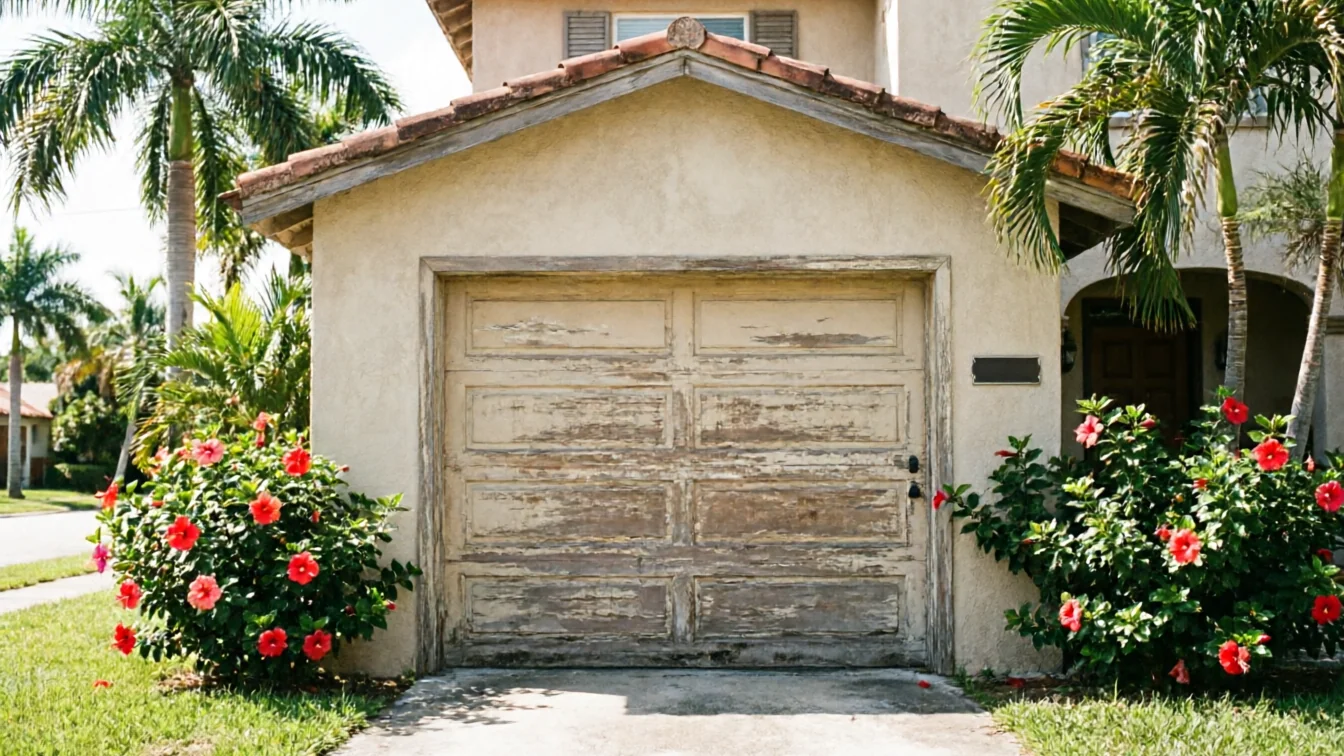
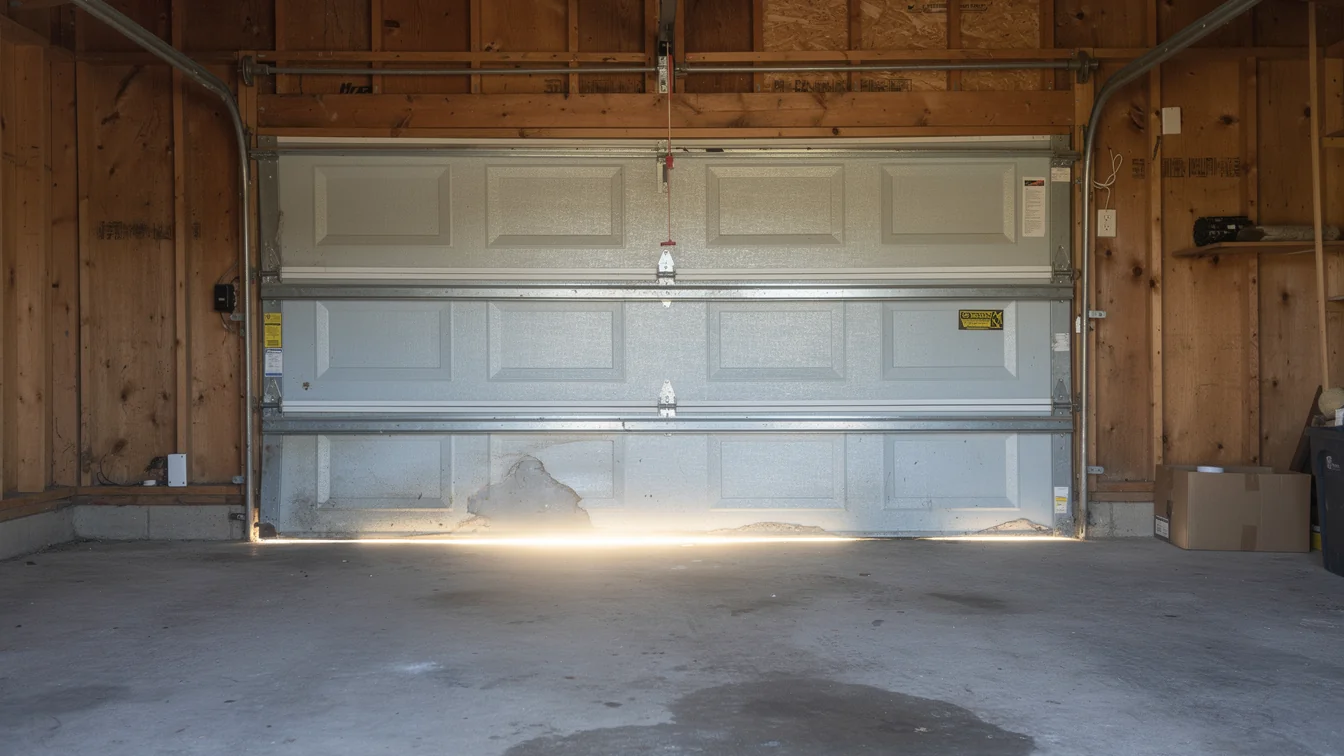
A lot of what we see in Gainesville isn't a bad door - it's an old one that's never been touched. Housing in this area was mostly built between 1967 and 2004, with the median year sitting at 1975, and seven named neighborhoods still carry mostly 1960s and '70s construction. That means the garage door hanging on a lot of these houses is either the original door or a direct replacement installed decades ago on the original track and hinges. Steel doors from that era are heavier gauge than what's sold today, and the torsion spring sizing was often matched to a different opener standard. The door itself can still be straight and solid. It's the hardware around it - the rollers, the end bearings, the cable drums - that's worn past the point of adjustment. The mistake is judging the door by its face. A panel can look fine for another twenty years while the spring behind it is three turns off safe tension. In houses this age, we're not usually diagnosing a dead door. We're diagnosing fifty-year-old hardware doing a job it wasn't built to do this long.
The area
The Common Mistake
The mistake we see most in these older houses is replacing one part and ignoring the rest. An owner swaps the opener because the old one quit, and never looks at the spring, the track, or the cable drums underneath it - all original to a door built when the house went up in the 1960s or '70s. A new opener bolted to a worn torsion spring just means the spring fails sooner, and now there's a new motor straining against bad hardware. The other version of this mistake is cosmetic: repainting or patching a dented panel without checking whether the track is still square. On houses from this era, track brackets were often lag-bolted straight into original framing that's shifted slightly over fifty-plus years. A door that looks repaired can still bind, which shortens the life of whatever you just replaced. The honest fix is to look at the whole system before spending money on any one piece of it - spring, cable, track, opener - because on a door this old, the part that fails next is rarely the part you just fixed.
What we find
What the Weather Here Does to It
Gainesville sits in a mild climate band with occasional freeze mornings, not the deep freeze-thaw cycles that crack slabs and warp steel further north. That's good news for the door panel itself - you're not fighting the kind of temperature swing that splits wood doors or buckles thin steel. But mild-with-some-freeze has its own wear pattern on hardware this old. Humidity sits on exposed steel tracks and springs for most of the year, and the occasional cold morning adds condensation on top of that. On a fifty-year-old door, that's enough to rust spring coils and pit roller shafts slowly, quietly, without ever cracking anything the way a hard freeze would. You won't see dramatic weather damage here. You'll see hardware that's just worn thinner than it looks, because it's been sitting in humid air since the house was built. That's a slower failure than frost heave, but it's just as real, and it's easy to miss on a visual check.
How we work
What It Costs
We're not going to put a number on this one, because the honest answer depends on what's actually wrong - a spring swap on original hardware is a different job than replacing a door that's finally given out after fifty years. What we can say is how to think about it. Across the service area's 11,120 households, 8,003 are owner-occupied, and that's the group actually facing this decision on a house built decades ago. With median household income near $77,938 across the area, most owners are weighing a repair bill against a replacement bill, not choosing between free and expensive. As a rule: if the panel is straight and the opener is newer than the spring, repair makes sense. If you're already replacing the opener, the spring, and the track in the same visit, you're close to the cost of a new door anyway, and a new door comes without fifty years of wear on everything you didn't replace. We'll tell you straight which side of that line your door is on.
Questions
Common questions
Is it worth fixing a garage door from the 1970s instead of replacing it?
Often yes, if the panel itself is straight. A lot of doors from that era are heavier steel than what's sold now and hold up fine once the worn hardware around them - spring, rollers, track - is brought up to current spec. The door isn't usually the problem; the fifty-year-old parts attached to it are.
Why does my old garage door spring keep failing even after I replaced it?
If the track or end bearings are original to a house built in the 1960s or '70s, a new spring is working against hardware that's shifted or worn out of alignment. Replacing the spring alone on an otherwise untouched system is a short-term fix, not a long-term one.
Does Gainesville's climate damage garage doors?
Not the way a hard freeze-thaw climate does. Gainesville stays mild with only occasional freeze mornings, so you won't see cracked slabs or warped panels from temperature swings. The slower issue is humidity rusting springs and pitting roller shafts on older hardware over many years.
How do I know if my door needs a repair or a full replacement?
Look at what's already failed. If it's one part - a spring, a cable - on a door and opener that are otherwise sound, repair it. If you're replacing the opener, spring, and track together on a door that's original to the house, you're close enough to the cost of a new door that replacement is usually the better call.
Recommendation
You Might Also Like
More garage door guides for Gainesville homeowners.
What We Actually Do on a Gainesville Service Call
A look at what our techs actually check on a Gainesville service call, from 1970s torsion hardware to how mild winters and humidity wear doors differently here.
 What Happens When a Spring Goes in Cold Weather Here
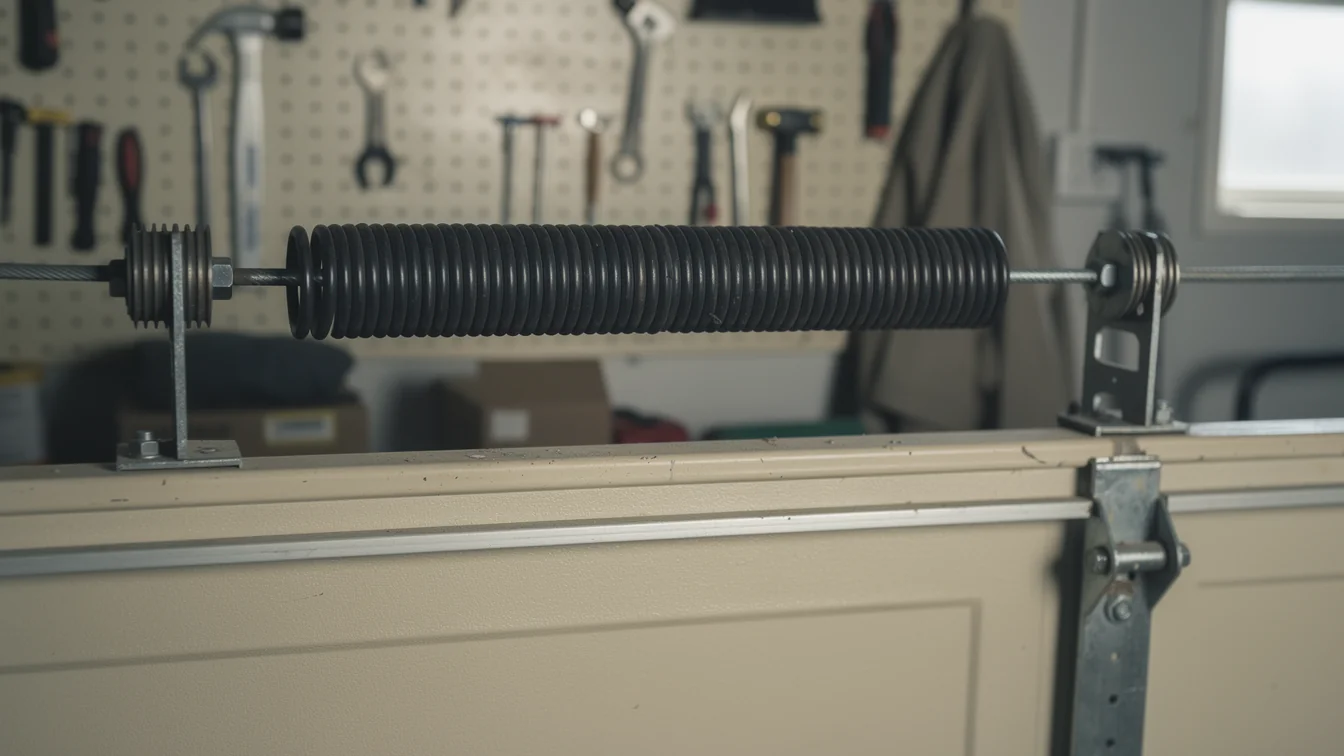
Gainesville's mild climate still dips below freezing a few nights a year, and that's when 1970s-era torsion springs on original hardware finally let go.
 Why Garage Doors in Gainesville Fail on a Schedule, Not at Random
Gainesville's housing stock runs 1967 to 2004, and original garage door hardware on those houses fails in predictable patterns.
Ready when you are
Need a garage door sorted in Gainesville?
Gainesville Garage Door Pros repairs and installs garage doors, springs and openers in Gainesville, FL and the surrounding area.