Gainesville, FL
Emergency Garage Door Repair Across the Gainesville Area
Broken spring or dead opener at 11 PM? Gainesville Garage Door Pros covers the service area's 1960s-2000s housing stock with same-call emergency repair.
What Can Go Wrong
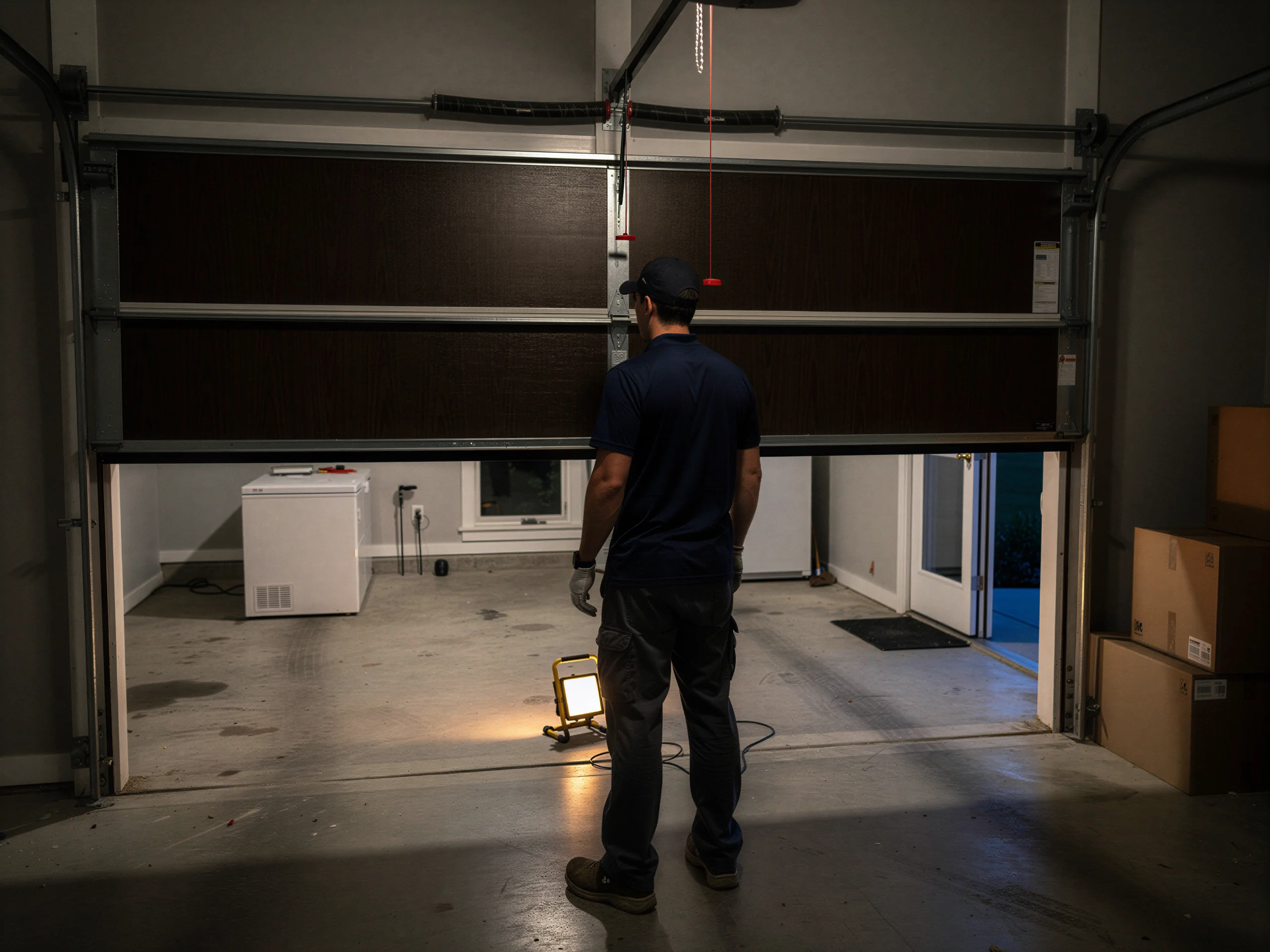
A garage door fails in a handful of ways, and most of them show up without warning. A torsion spring snaps and the door won't budge, or it slams down fast because the cable on one side let go.
Stripped opener gears
An opener motor hums but the door doesn't move, which usually means a stripped gear inside the unit, not the motor itself. Tracks bend when a car clips them backing out, and once a track is out of true the rollers jump it on the next cycle.
Cables parting in cold
Cables fray at the drum and finally part, usually on the coldest morning of the year when the metal has least give. Across the 11,120 households in this service area, the mix skews toward owner-occupied houses - 8,003 of them - built mostly in the 1967-2004 window.
Cycle-limited hardware lifespan
That matters because original hardware from that era is now 20 to 55 years old, and springs, cables, and rollers all have a service life measured in cycles, not decades. A door that's opened twice a day for 40 years has gone through roughly 29,000 cycles, which is past where most torsion springs are rated to fail. We see a lot of that math play out as 'the door was fine yesterday.'
Why It Happens Here
This is a mild climate with occasional freeze, which sounds easy on hardware compared to a true winter region, and mostly it is. But mild-with-freeze is its own trap: metal that never gets a hard, sustained cold snap also never gets inspected for cold-weather wear, so a spring or cable that's lost half its strength keeps working right up until a rare freeze night finally finishes it off. That's when we get the most calls - not during the freeze itself, but the morning after, when contracted metal meets a spring that was already near the end.
The housing stock compounds it. A large share of the area's homes were built in the 1960s and 70s, before some of today's standard safety features - like a second cable loop or a modern sensor-equipped opener - were common. Original torsion hardware on a 50-year-old door wasn't designed with today's cycle counts in mind, and many owners have never replaced it once. Houses built later, into the 1990s and early 2000s, carry openers and springs closer to the modern baseline, but even those units are now 20-plus years old. Either way, the failure mode is the same: hardware this old doesn't give much warning before it lets go.
What the Fix Involves
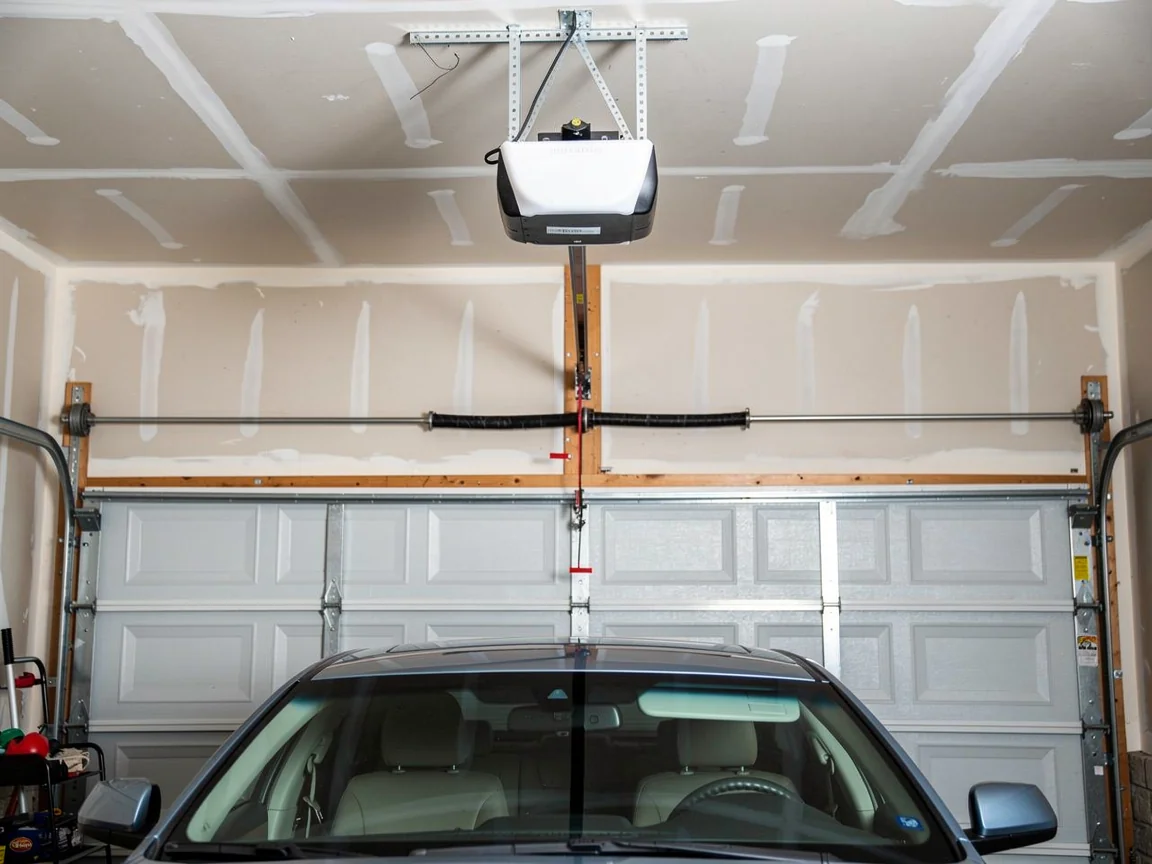
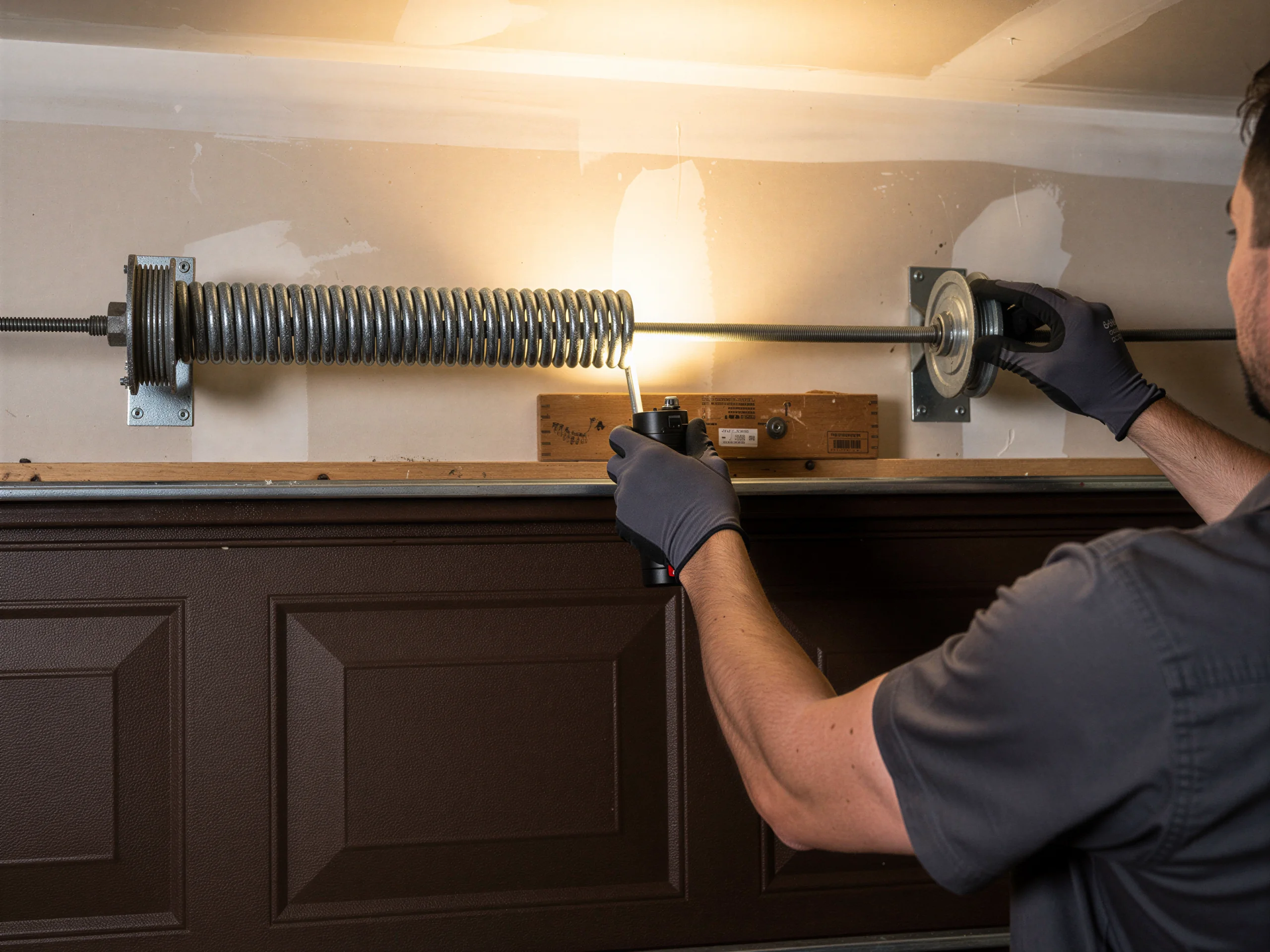
For a broken torsion spring, the job is matching the wire size and wind to the door's weight, pulling the old spring off the shaft safely, and setting the new one with a winding bar - not a job to improvise without the right tools, since a torsion spring under tension can do real damage.
Matching cable wear both sides
A snapped cable means pulling the drum, feeding new cable, and checking that the opposite side cable and spring are close to the same wear state, because replacing one side and leaving a tired cable on the other just moves the next emergency call a few weeks out.
Sourcing gear kit parts
A stripped opener gear is a parts swap inside the unit, assuming the gear kit for that model is in stock; some older opener models have parts that take longer to source, and that's the one honest limit here - if your opener is old enough that the manufacturer has moved on, we may need to order the part rather than fix it same call.
Track reset or replacement
A bent track usually gets reset or replaced outright rather than hammered straight, since a track that's been bent once is weaker at that spot going forward. In every case the door gets cycled and balance-checked before the truck leaves, because a door that opens isn't the same as a door that's actually safe to leave running.
The Symptom
Here's how to tell what you're dealing with before the truck even arrives. If the door won't move and you hear a loud bang earlier in the day or overnight, that's almost always a spring.
Uneven lift from cable
If the opener runs but the door doesn't lift, or lifts an inch and stops, that's a gear or a cable, not the motor. A door that lifts unevenly, higher on one side than the other, points to one cable or spring doing more work than its partner - meaning the other has already weakened and is close behind it.
Sensor-triggered reversal
If the door reverses right after touching the floor, check the sensors first; it's often dirt or a knock-out-of-alignment eye rather than a real mechanical fault. A grinding or popping sound on the way up, especially from houses in the 1960s-70s part of the stock, usually means original rollers that have outlived their bearings.
Never force it manually
None of these are reasons to force the door by hand - a spring under tension or a loose cable can snap back hard, and that's the one situation where waiting for the right tools beats trying to clear it yourself.
Questions
Common questions
How old does a garage door spring have to be before it's likely to fail?
There's no fixed age, since it's about cycle count, but in this area a lot of original hardware dates to the 1960s-2004 housing boom, meaning many springs are 20 to 55 years old. If yours has never been replaced, it's statistically closer to the end than the start.
Why do garage doors seem to break more right after a cold night?
The climate here is mild with only occasional freeze, so hardware rarely gets inspected for cold wear. A spring or cable already weakened by age often finishes failing on the one freeze night it meets, rather than giving warning beforehand.
Can I replace just one cable if only one side broke?
You can, but the other cable is usually close to the same age and wear. Replacing both at once is often cheaper over time than paying for a second emergency call a few weeks later.
Is a bent track worth repairing or should it be replaced?
A track bent once is weaker at that point even after being straightened. For most households, replacing the damaged section holds up better than reshaping the old one.
Explore more
Explore More Services In Gainesville, FL
Garage Door Spring Repair Across the Gainesville Area
Broken torsion spring on a Gainesville garage door? Learn more →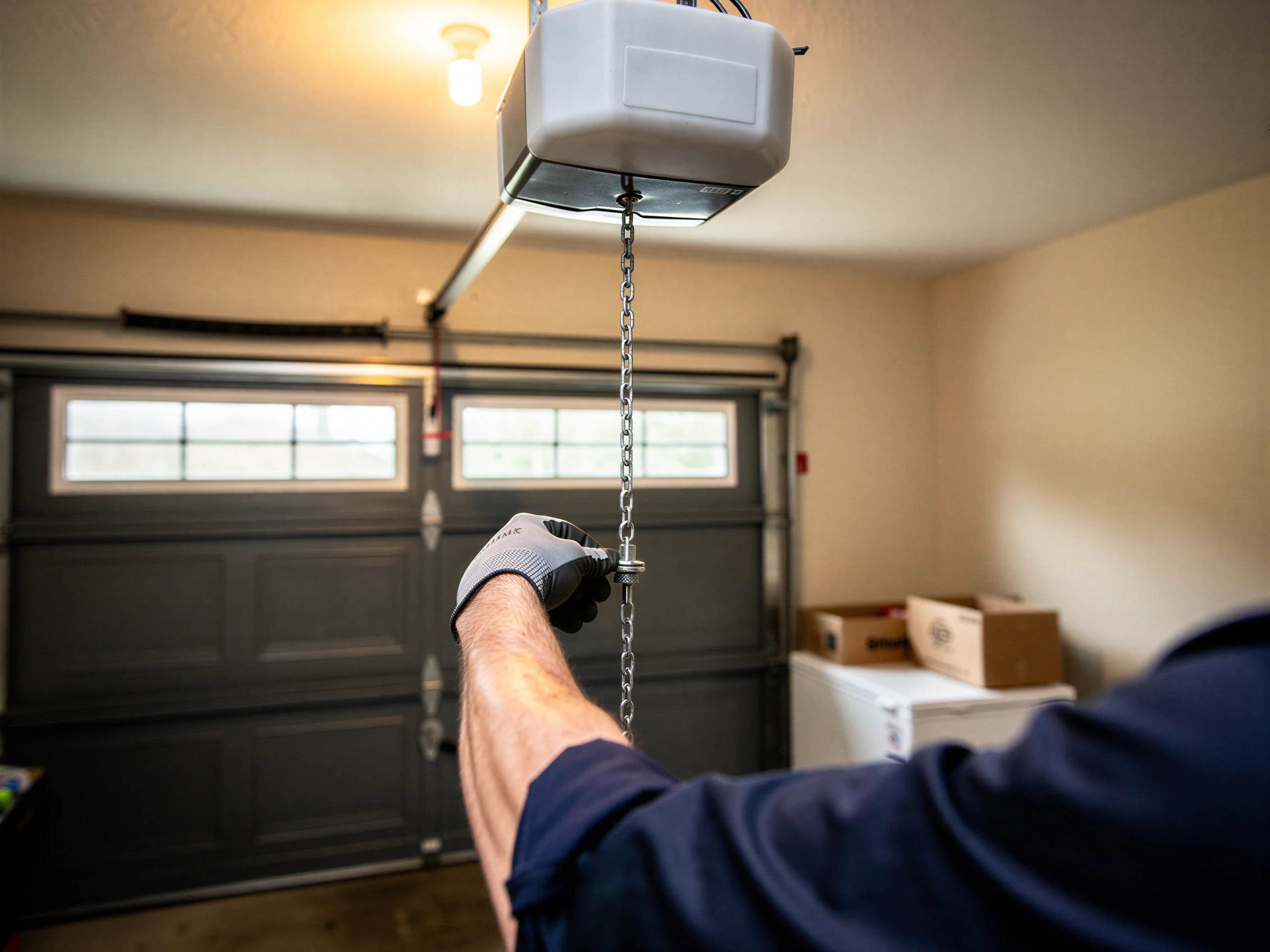
Gainesville Garage Door Opener Repair
Garage door opener repair for Gainesville's 1960s-80s homes: worn gears, failing circuit boards, and openers original to the house since the 1970s era. Learn more →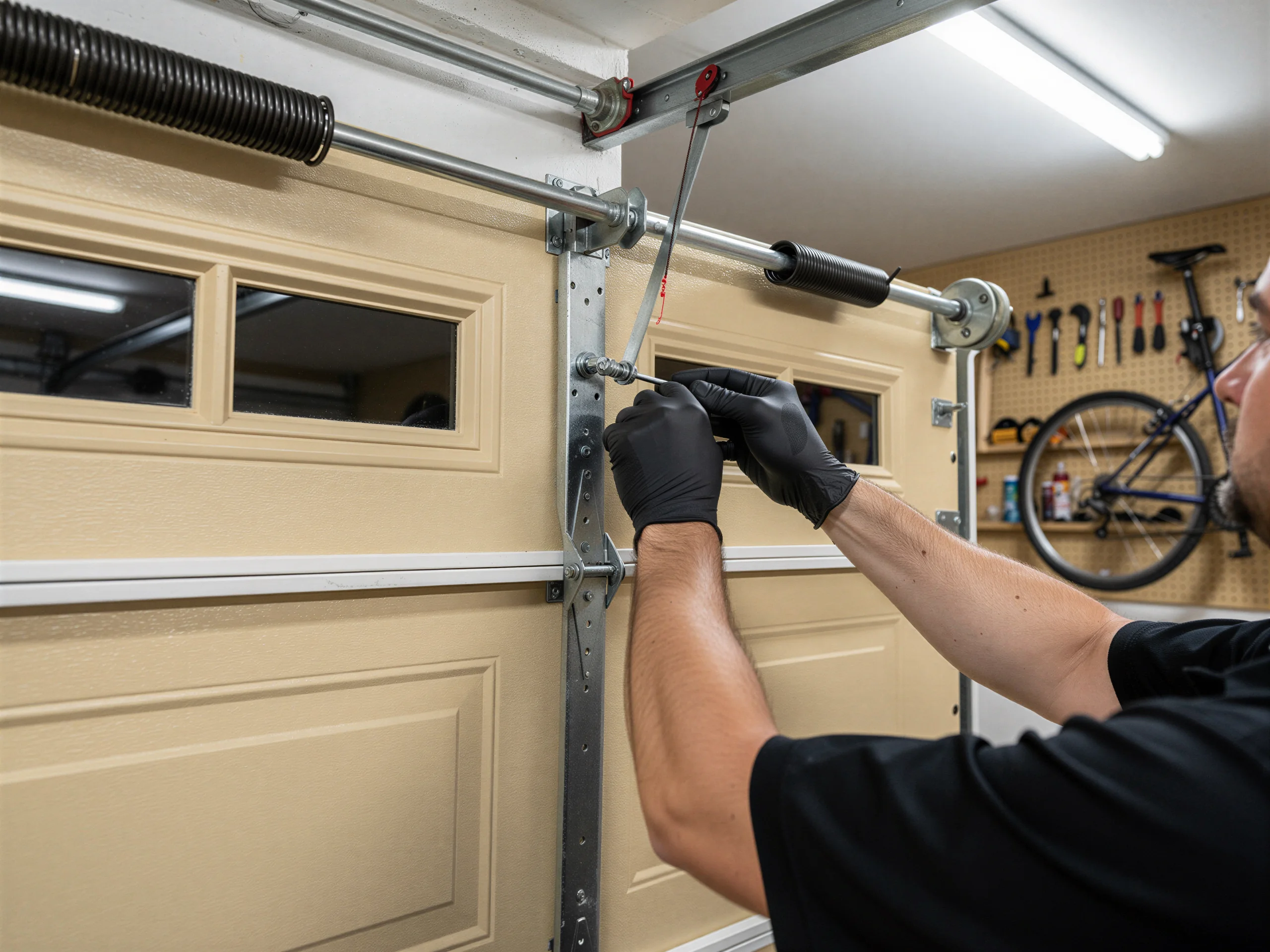
Garage Door Service for Gainesville's Older Housing Stock
Gainesville Garage Door Pros fixes springs, openers, and tracks on the 1960s-90s housing stock across Gainesville's neighborhoods, from University Park to Haile Plantation. Learn more →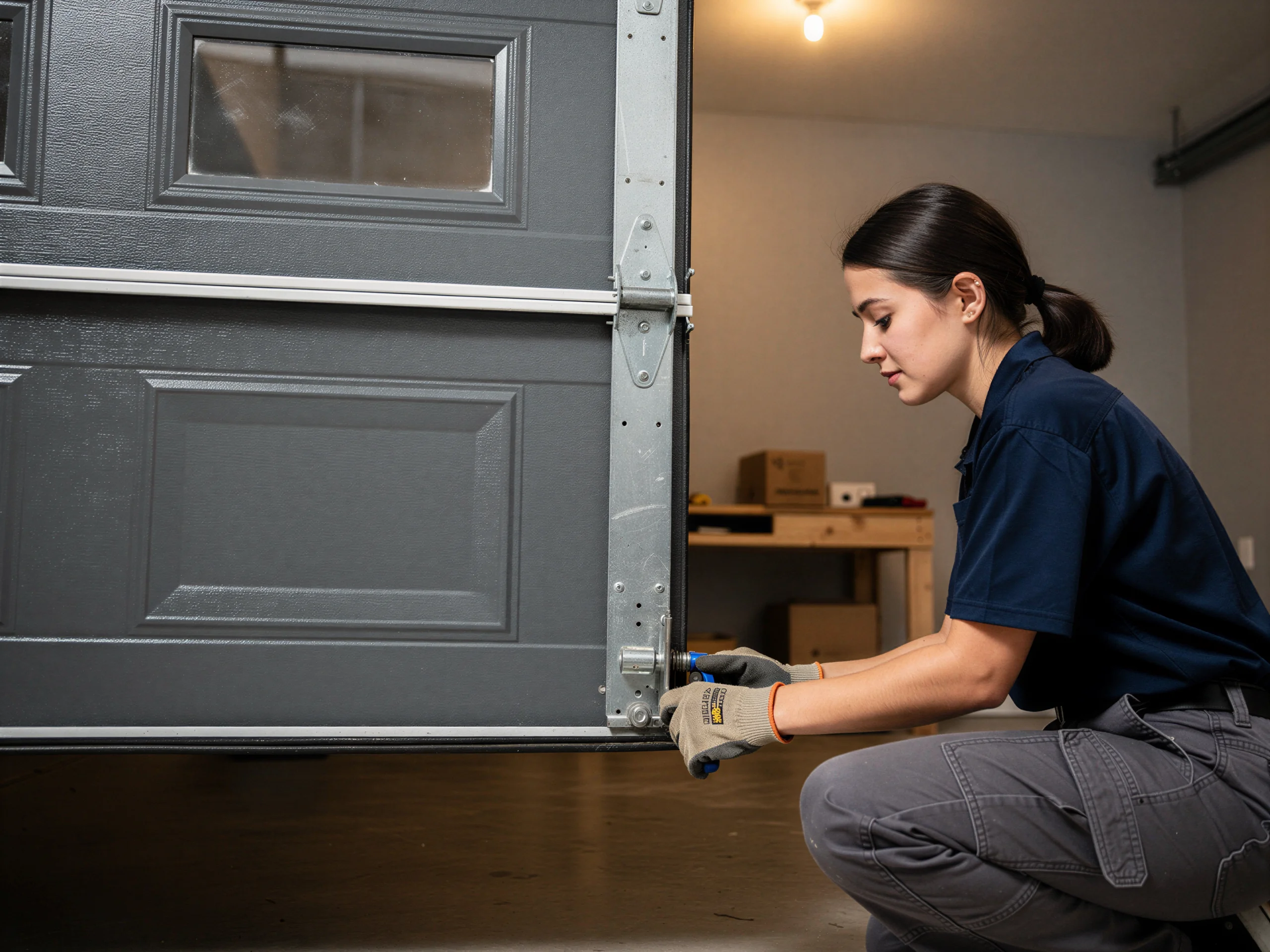
Garage Door Repair for Gainesville Homes
Gainesville garage door repair for homes built from the late 1960s through the early 2000s, with fixes suited to the area's mild, humid climate and aging torsion hardware. Learn more →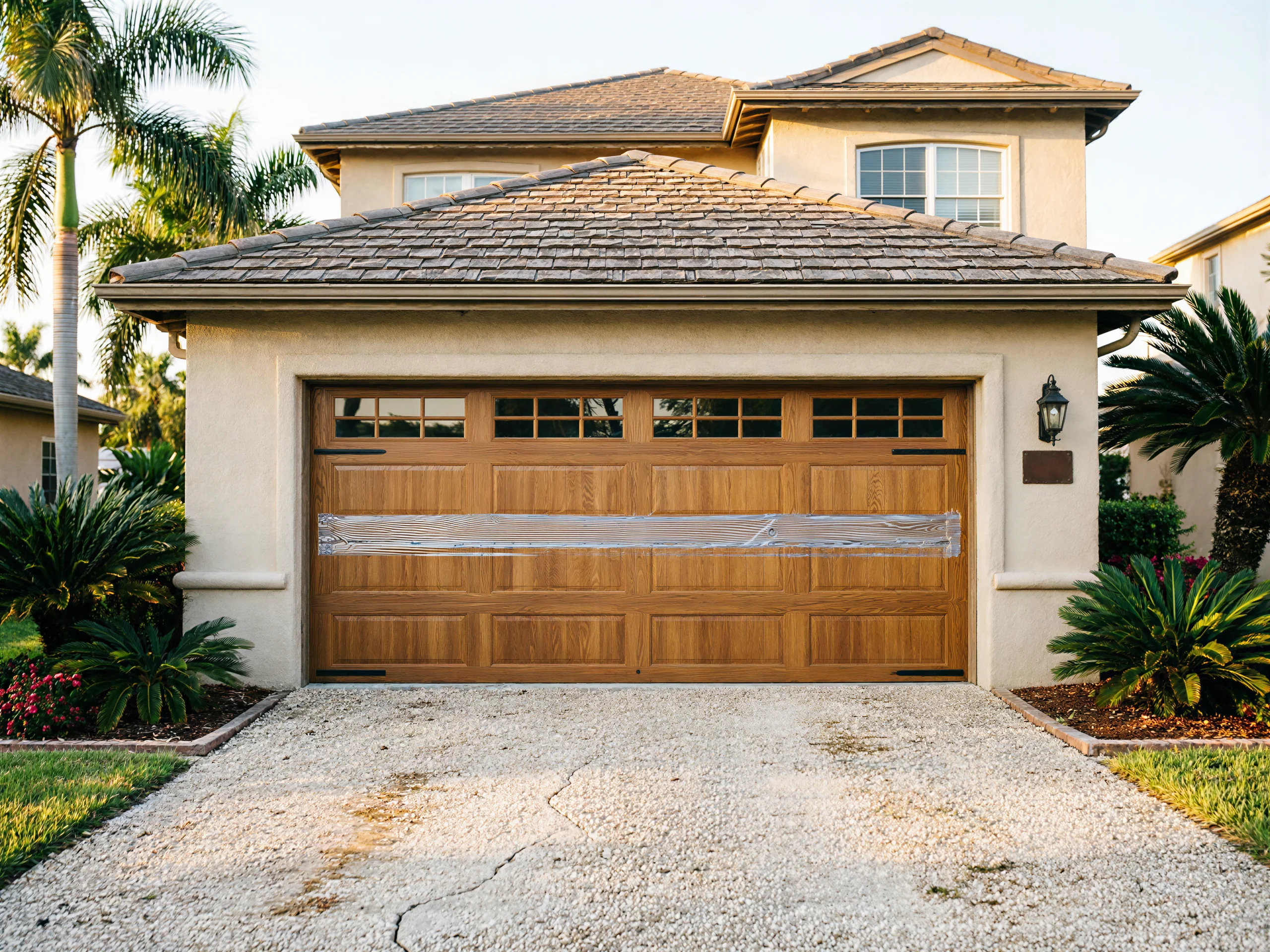
Garage Door Installation for Gainesville's Older Housing Stock
Gainesville homes built mostly 1967-2004 often carry original hardware that doesn't fit current doors. Learn more →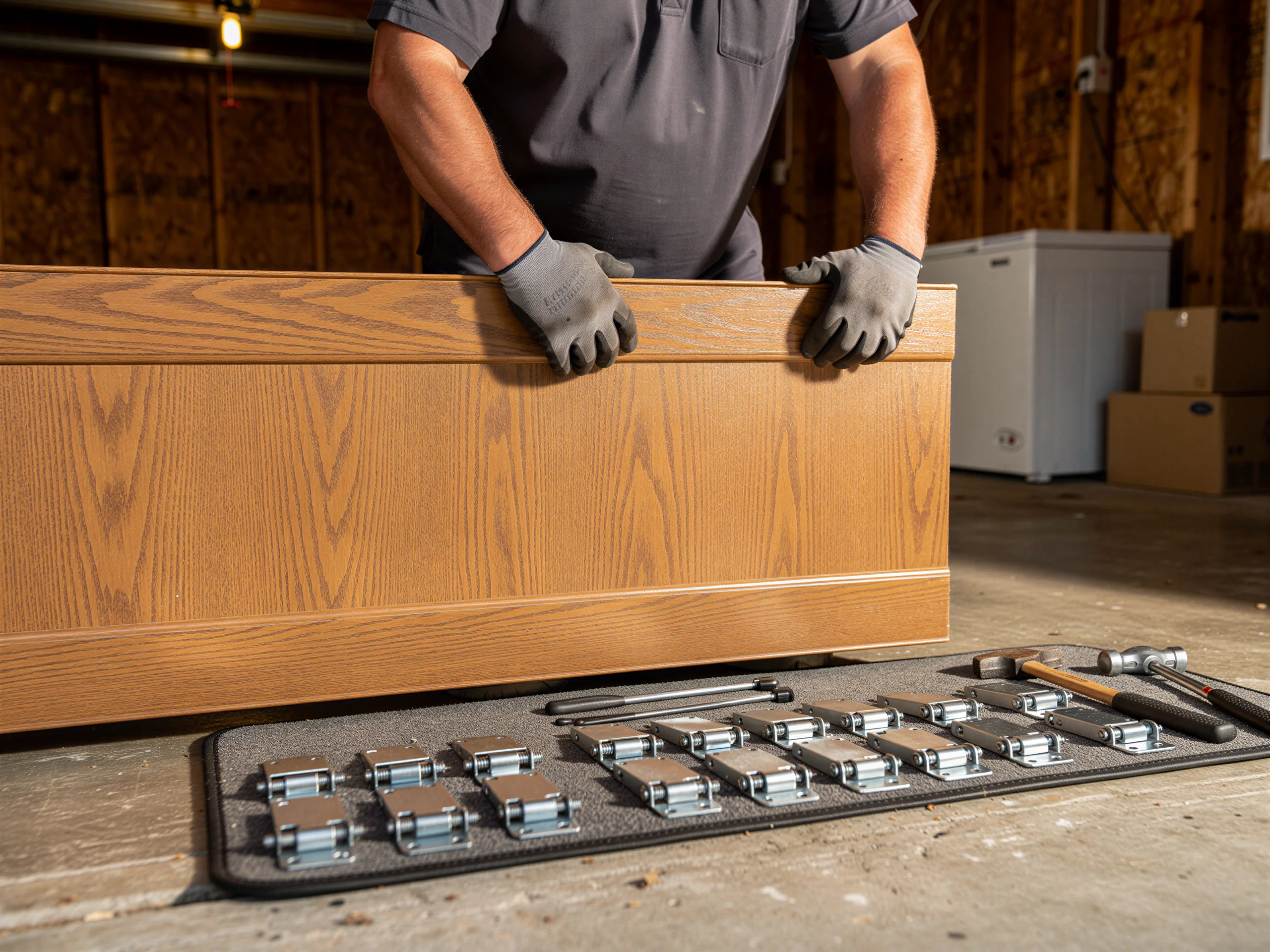
Garage Door Panel Replacement in Gainesville
Garage door panels on Gainesville homes built from the 1960s through the 1990s dent, rust, and warp with age. Learn more →Ready when you are
Garage door emergency in Gainesville?
Gainesville Garage Door Pros repairs and installs garage doors, springs and openers in Gainesville, FL and the surrounding area.