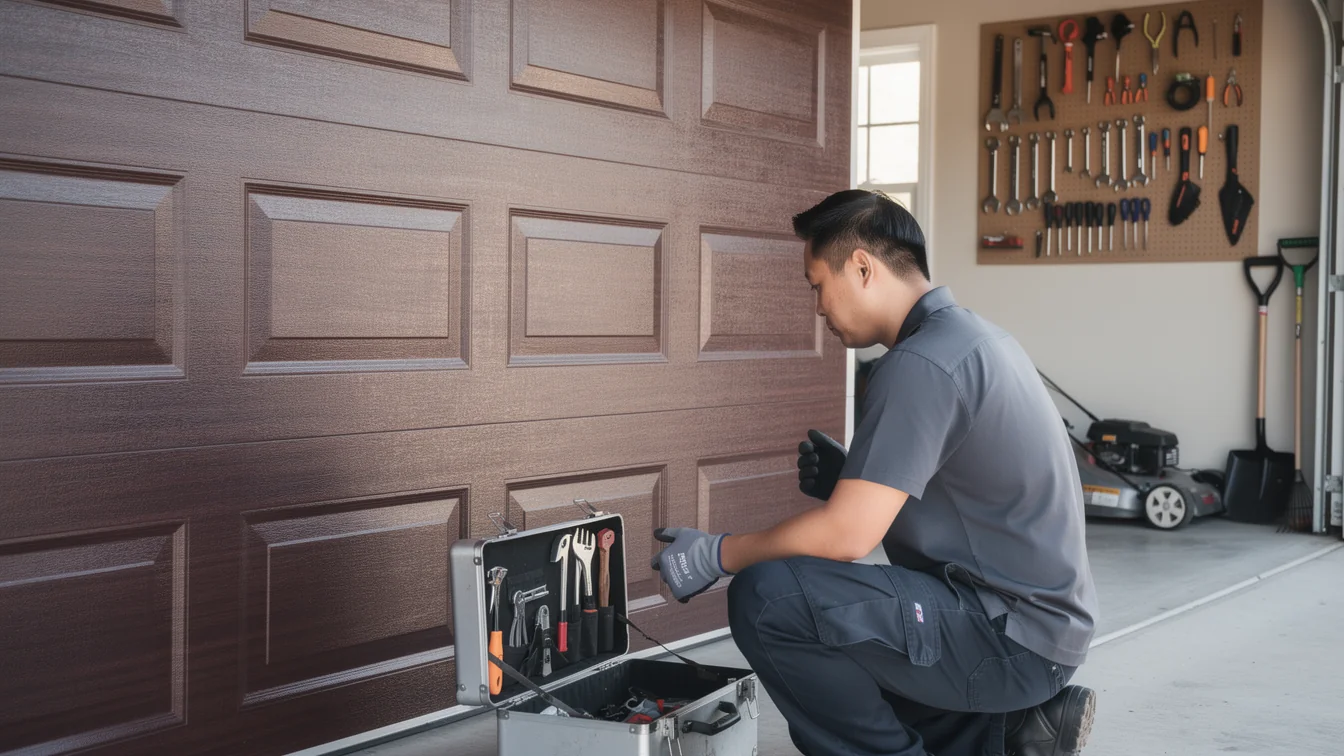
 What We Actually Do on a Gainesville Service Call
A look at what our techs actually check on a Gainesville service call, from 1970s torsion hardware to how mild winters and humidity wear doors differently here.
What Happens When a Spring Goes in Cold Weather Here
Gainesville's mild climate still dips below freezing a few nights a year, and that's when 1970s-era torsion springs on original hardware finally let go.
Local detail
The Problem
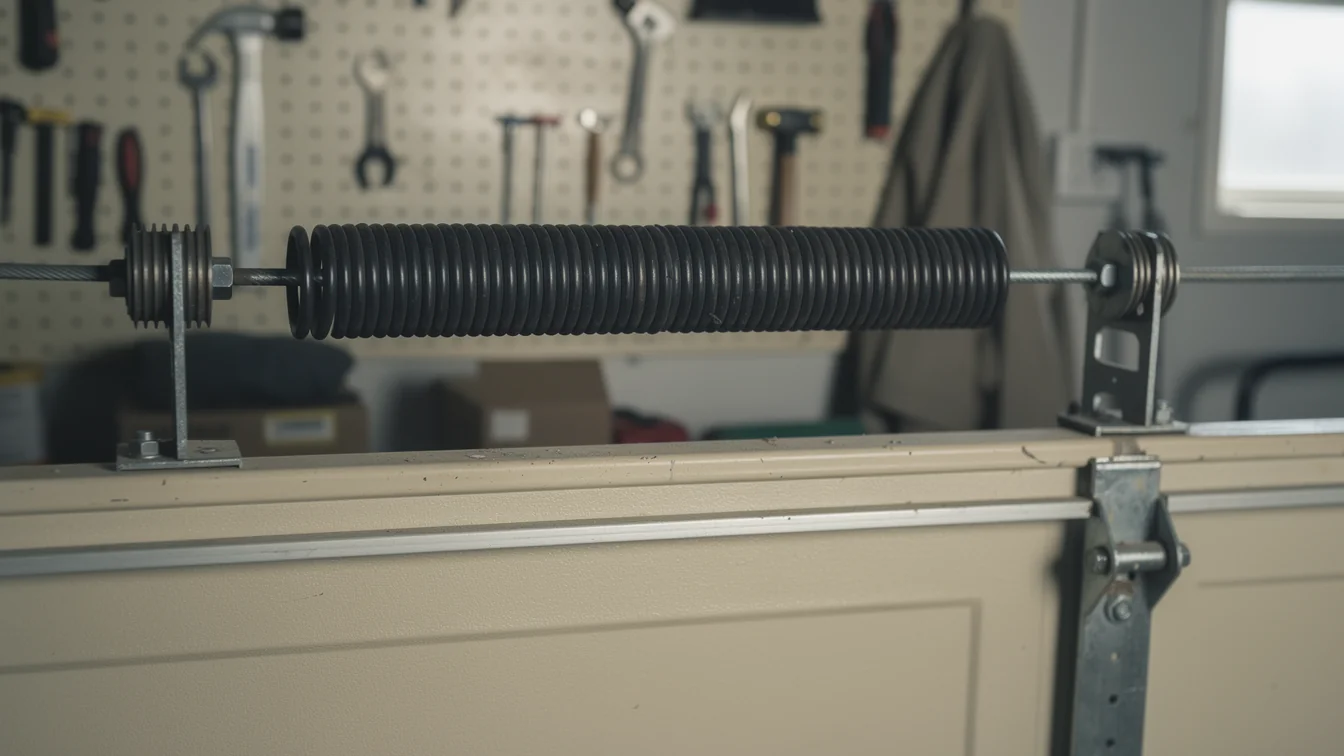
Most houses in this part of Gainesville went up between 1967 and 2004, with the median build year sitting around 1975. That matters because a torsion spring has a duty cycle, and a spring installed when the house was built has been flexing for close to fifty years on some of these doors. Steel fatigues faster at the ends of its temperature range, and it fatigues fastest right at the point it's about to snap anyway. A spring that's been fine for years can go on the one night the temperature actually drops. You hear it as a bang from the garage, loud enough that people call thinking something fell off a shelf. Nothing fell. The spring split, usually at a winding cone, and now the door weighs what it actually weighs - 130 to 180 pounds for most single doors - with nothing holding that weight but the cables. If someone tries to lift it by hand at that point, the cables are doing the work the spring was built for, and they weren't sized for repeated manual lifts.' A door in that state isn't a nuisance repair. It's a door you don't touch until the spring is replaced.
The area
The Common Mistake
The mistake we see across the older stock in this area - the 1960s and '70s houses that make up most of the neighborhoods here - is treating a slow spring as a lubrication problem. Someone sprays the coils, the door seems to lift easier for a week, and they figure it's handled. Oil doesn't restore fatigued steel. It just quiets the squeak the metal was making to tell you it's close to the end. The second mistake is waiting for warm weather to deal with it, on the logic that cold weather caused the problem so warm weather will un-cause it. It won't. A spring that's fatigued at 38 degrees is still fatigued at 85. The cold didn't weaken it that night - the cold was just the condition under which years of cycles finally caught up with it. Putting off the replacement because the weather's turned mild again just means it breaks on a random Tuesday instead of a cold one, usually with the door open and someone standing under it.
What we find
What the Weather Here Does to It
Gainesville sits in a mild band with occasional freezes, not a true winter climate, and that's exactly what makes cold-weather spring failures catch people off guard. Nobody here budgets for freeze-related mechanical failure the way a northern homeowner does, because most years it doesn't come up. But steel contracts as it cools, and a spring already carrying decades of wind cycles has less margin to spare on the handful of nights a year the temperature actually drops into the 20s or low 30s. The failure isn't caused by the cold alone - it's caused by cold weather meeting hardware that was already near its limit. On a house built in the 1970s with its original springs, that's not a hypothetical. It's the hardware era most of this city's garages are still running.
How we work
What It Costs
We don't have a flat number to quote here, because it depends on whether one spring went or both, what size door, and whether the cable or a fitting around it took damage when the spring let go. What we can tell you: replacing a spring before it breaks costs less than replacing a spring plus a bent track or a cracked panel after it breaks and the door drops unevenly. In a service area where median household income runs around $77,938 and most owners here hold their houses rather than rent (8,003 owner-occupied out of 11,120 households), spring replacement tends to be a planned repair, not an emergency someone has to scramble to finance. The honest limitation: we can't give you a number over the phone before seeing the door. Spring size and door weight vary enough house to house that a quote sight-unseen is a guess, and we'd rather not guess at something going on your garage.
Questions
Common questions
How do I know if it's the spring and not the opener?
If the door won't budge by hand when disconnected from the opener, or it slams down fast instead of lowering evenly, that's spring, not opener. An opener motor struggling but the door lifting fine by hand points the other way. On a door that's original to a 1970s build, spring is the first thing we check.
Does cold weather actually break springs, or is that a myth?
Cold weather doesn't break a healthy spring. It does expose a fatigued one - steel loses a bit of flex as it cools, and a spring already near the end of its duty cycle has less room for that. In a mild climate like this one, the few nights a year it dips toward freezing are often when an old spring finally gives out.
Can I wait until it's warmer to fix it?
You can, but the spring won't improve while you wait. It failed because of fatigue, not temperature, and temperature just happened to be the trigger that night. Waiting means living with a door that's either stuck or unsafe to lift by hand until you get to it - it doesn't fix itself in the meantime.
Recommendation
You Might Also Like
More garage door guides for Gainesville homeowners.
What We Actually Do on a Gainesville Service Call
A look at what our techs actually check on a Gainesville service call, from 1970s torsion hardware to how mild winters and humidity wear doors differently here.
 Older Garage Doors in Gainesville: When to Repair and When to Replace
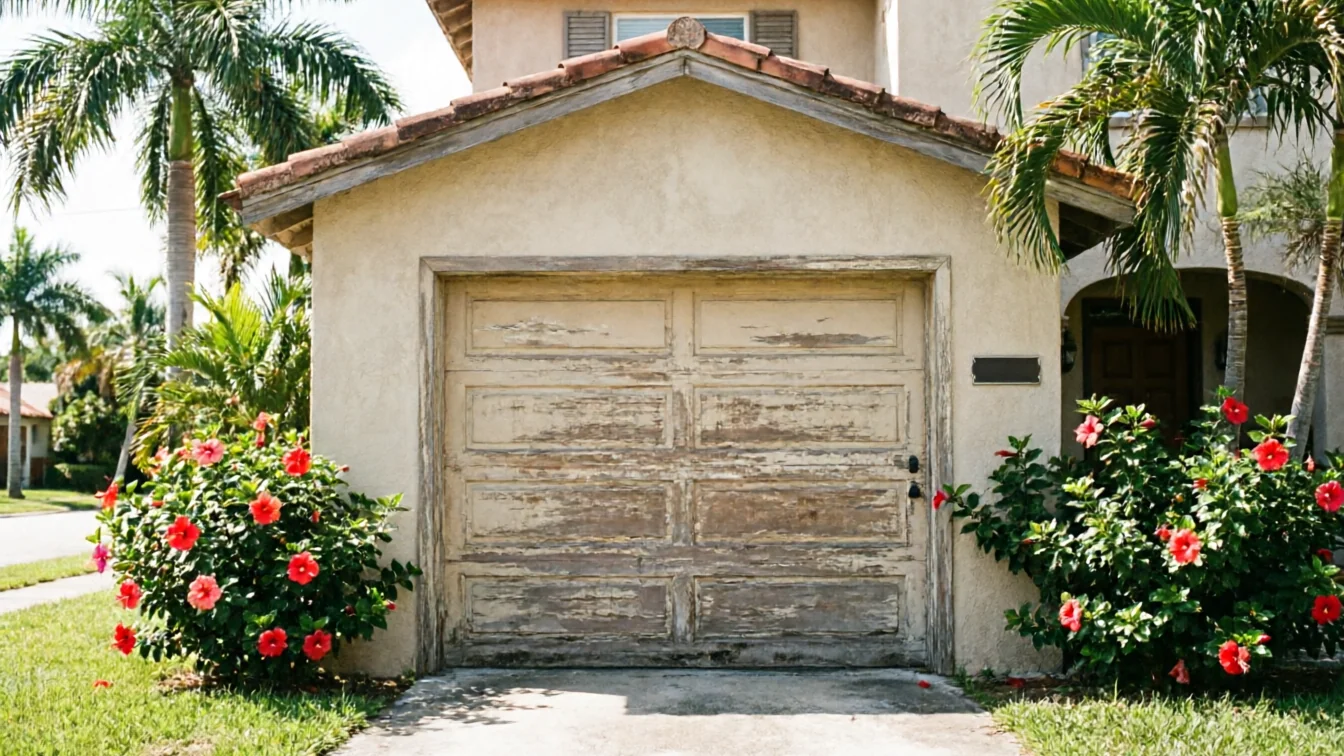
A look at when a 1970s-era Gainesville garage door is worth repairing versus replacing, based on the area's housing age, hardware, and mild-climate wear patterns.
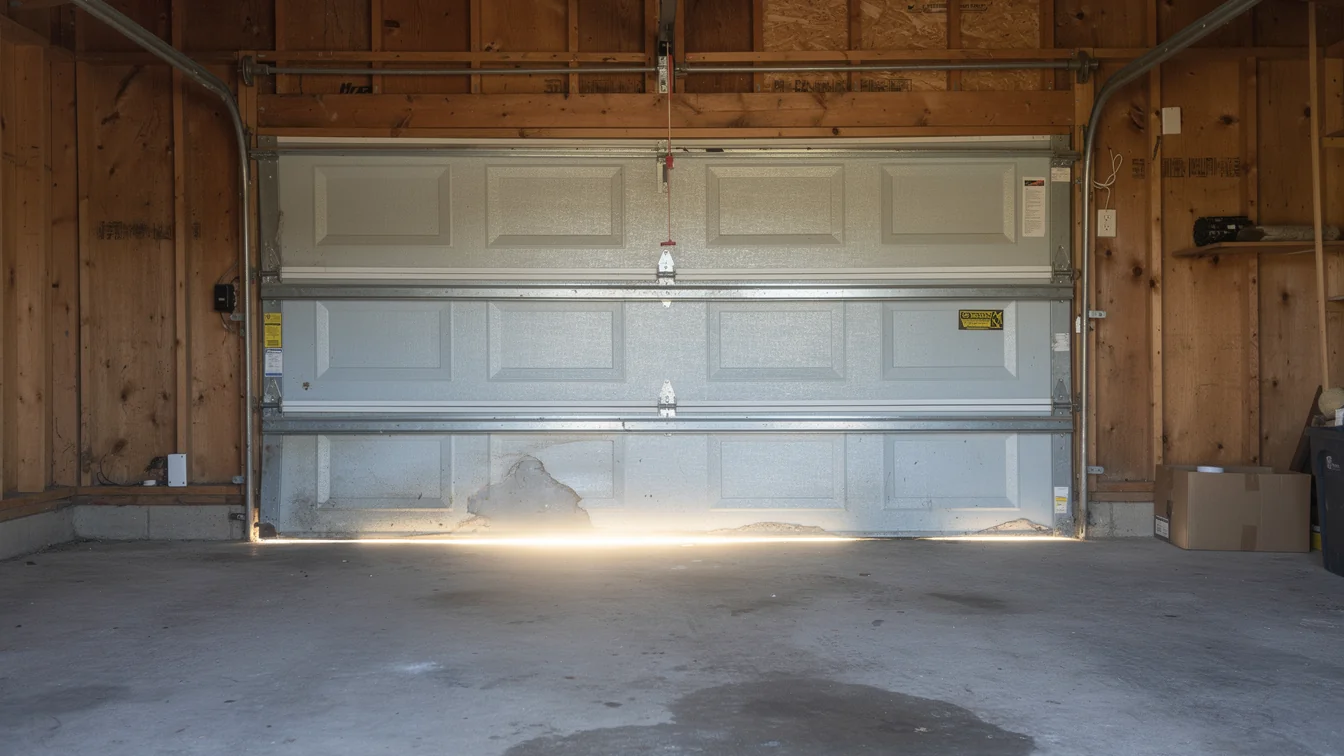 Why Garage Doors in Gainesville Fail on a Schedule, Not at Random
Gainesville's housing stock runs 1967 to 2004, and original garage door hardware on those houses fails in predictable patterns.
Ready when you are
Need a garage door sorted in Gainesville?
Gainesville Garage Door Pros repairs and installs garage doors, springs and openers in Gainesville, FL and the surrounding area.