Gainesville, FL
Gainesville Garage Door Opener Repair
Garage door opener repair for Gainesville's 1960s-80s homes: worn gears, failing circuit boards, and openers original to the house since the 1970s era.
What Can Go Wrong
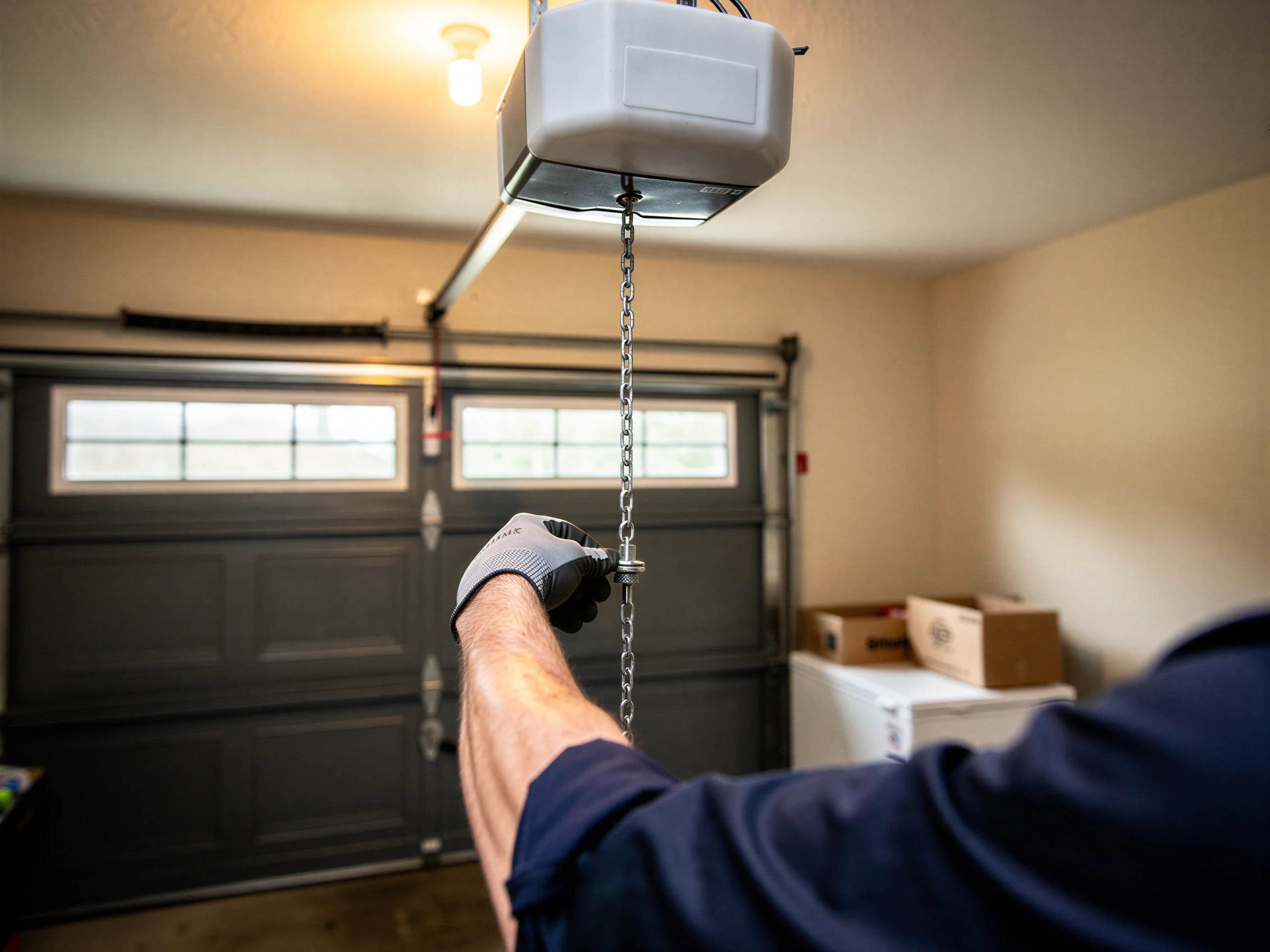
Openers fail in a handful of predictable ways, and most of what we see traces back to the same few parts. The nylon gear inside the motor housing strips after years of starting and stopping the door's weight, especially on units never relubricated.
Failing capacitors and boards
Capacitors in the motor weaken and the opener hums but won't lift. Circuit boards take moisture over time and start misfiring - the door reverses for no reason, or the light blinks a code nobody wrote down anywhere. Drive systems wear too: chain-drive units stretch and skip, belt-drive units fray at the connector.
Sensor and remote faults
Safety sensors at the bottom of the track get knocked out of alignment by a bike or a trash can and the opener refuses to close at all. Remotes and keypads drift out of sync with the receiver, which looks like a dead opener but usually isn't. None of these are rare.
Part failure sequence
On a unit that's been running since the house was built, it's a question of which part goes first, not whether one will. We see all of the above across the service area, and the fix depends entirely on which failure you've actually got - which is why a real diagnostic beats guessing at parts.
Why It Happens Here
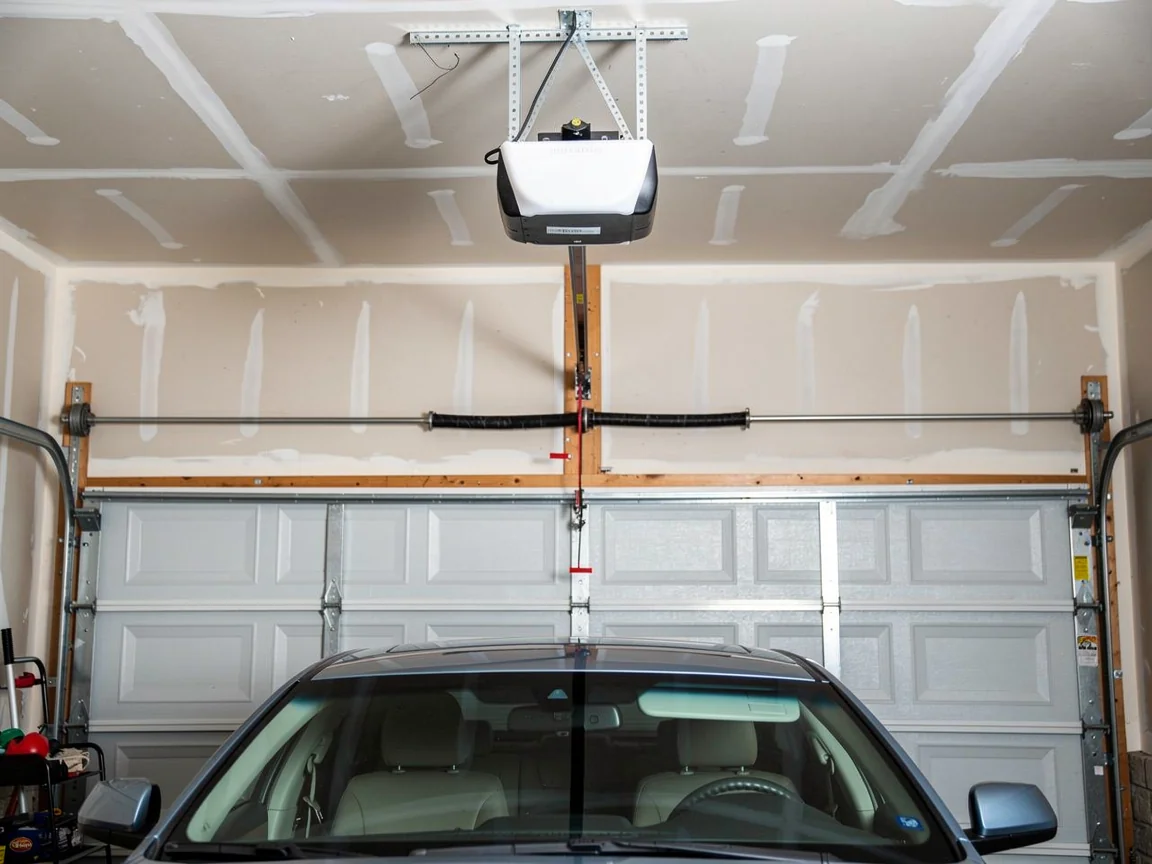
Housing in this service area went up mostly between 1967 and 2004, with the median build year around 1975, and seven of the older pockets we work in are still dominated by that 1960s-70s stock. A lot of garage door openers out there are original equipment or close to it - units installed when the house was framed, running on gearing and electronics that were never built to last fifty years. That alone explains most of the call volume: these aren't new systems failing early, they're old systems finally giving out. Gainesville's climate sits in a mild band with occasional freeze rather than hard winters, so we don't see the board-cracking cold snaps that kill openers up north. But mild doesn't mean dry. Steady humidity in an unconditioned garage corrodes contacts and gums up lubricant on gears and rail slowly, year after year, long before any single event you'd point to. Combine that with a chain-drive motor from the Ford administration and you get the pattern we actually see on service calls: gradual gear wear, slow-building board failure, sensors drifting out of true - not sudden breakage, just age catching up with a part nobody replaced.
What the Fix Involves
First call is diagnosis, not a parts swap. We run the opener through its cycle, check the logic board for fault codes, test the capacitor, inspect the gear and the drive chain or belt, and check sensor alignment at the track. Most of the time the fix is a gear kit, a capacitor, a sensor realignment, or a board replacement - straightforward parts, straightforward labor. Where it gets honest: if the opener is original to a house built in the 1970s, parts for that specific model line are often discontinued, and chasing down a thirty-year-old logic board isn't worth your money when a new opener costs about the same as the repair bill and comes with a modern safety reversal system the old one never had. We'll tell you when that's the case instead of patching something twice. We cover opener repair across the full service area - roughly 11,120 households and 8,003 owner-occupied houses between here and the outlying towns like Alachua, Waldo, Newberry, Archer, Hawthorne, High Springs, and Keystone Heights. If your town has its own page, that's where the drive-time and scheduling specifics live; this page is about the repair itself.
The Symptom
Most calls start the same way: the opener runs but the door doesn't move, or it moves partway and reverses. A grinding or clicking sound from the motor housing usually means the gear has already stripped - that's not a wait-and-see problem, because the door can drop on anyone standing near it.
Humming motor no movement
A steady hum with no movement points to a dead capacitor. Blinking lights with no clear pattern usually mean the board is throwing a fault it can't recover from on its own. If the remote works from six inches away but not from the driveway, that's a receiver or antenna issue, not a dead opener.
Quick sensor realignment
A door that reverses right before it touches the floor almost always traces to a sensor that's been bumped out of alignment, which is a five-minute fix once someone's looked at it in person.
Symptoms cannot pinpoint parts
None of these symptoms tell you the exact part on their own - two different failures can look identical from the kitchen door - which is the reason a phone diagnosis is a guess and an in-person one isn't.
Questions
Common questions
My opener hums but the door won't move. Is that fixable?
Usually, yes. A humming motor with no movement is almost always a weak or dead capacitor, sometimes combined with a stripped drive gear if the house is older. Both are common, inexpensive repairs on most opener models. We check which one it is before quoting anything.
Is it worth repairing an opener that's original to the house?
Depends on the age. If it dates to the 1970s-80s construction common in this area, parts for that model are often discontinued, and a new opener with modern safety sensors can cost about the same as chasing down obsolete parts. We'll tell you straight which way the math goes.
Why does my door reverse right before it closes?
Almost always a misaligned safety sensor at the bottom of the track - something bumped it, even slightly. It's usually a quick fix once someone checks the alignment in person, though a failing logic board can mimic the same symptom.
Do you service openers outside Gainesville proper?
Yes, across the surrounding service area including Alachua, Waldo, Newberry, Archer, Hawthorne, High Springs, Keystone Heights, University Park, University Heights, Haile Plantation, and Southside.
Explore more
Explore More Services In Gainesville, FL
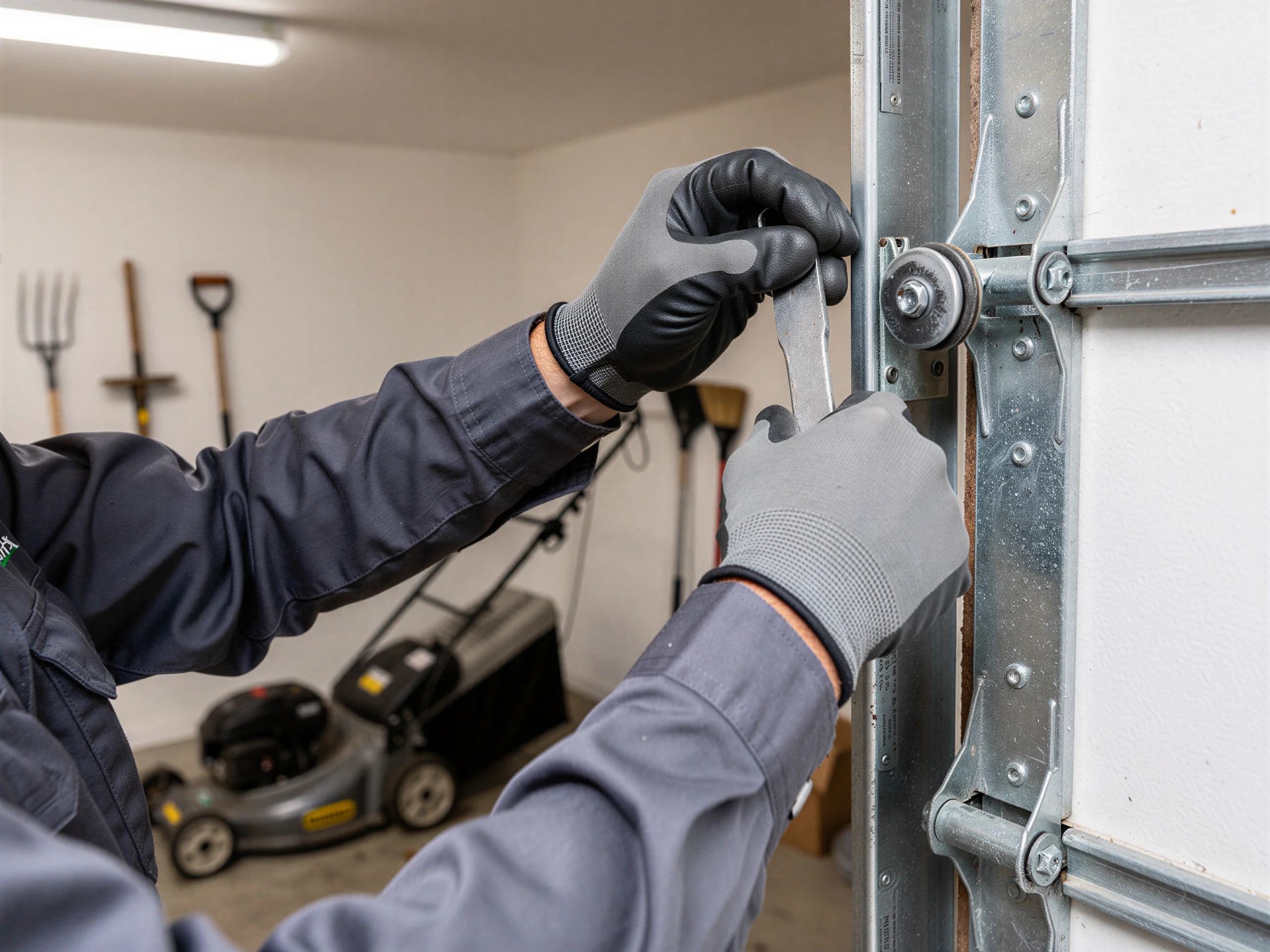
Garage Door Off Track: Why It Happens in Gainesville and What Fixing It Takes
Garage door jumped the track in Gainesville? Learn more →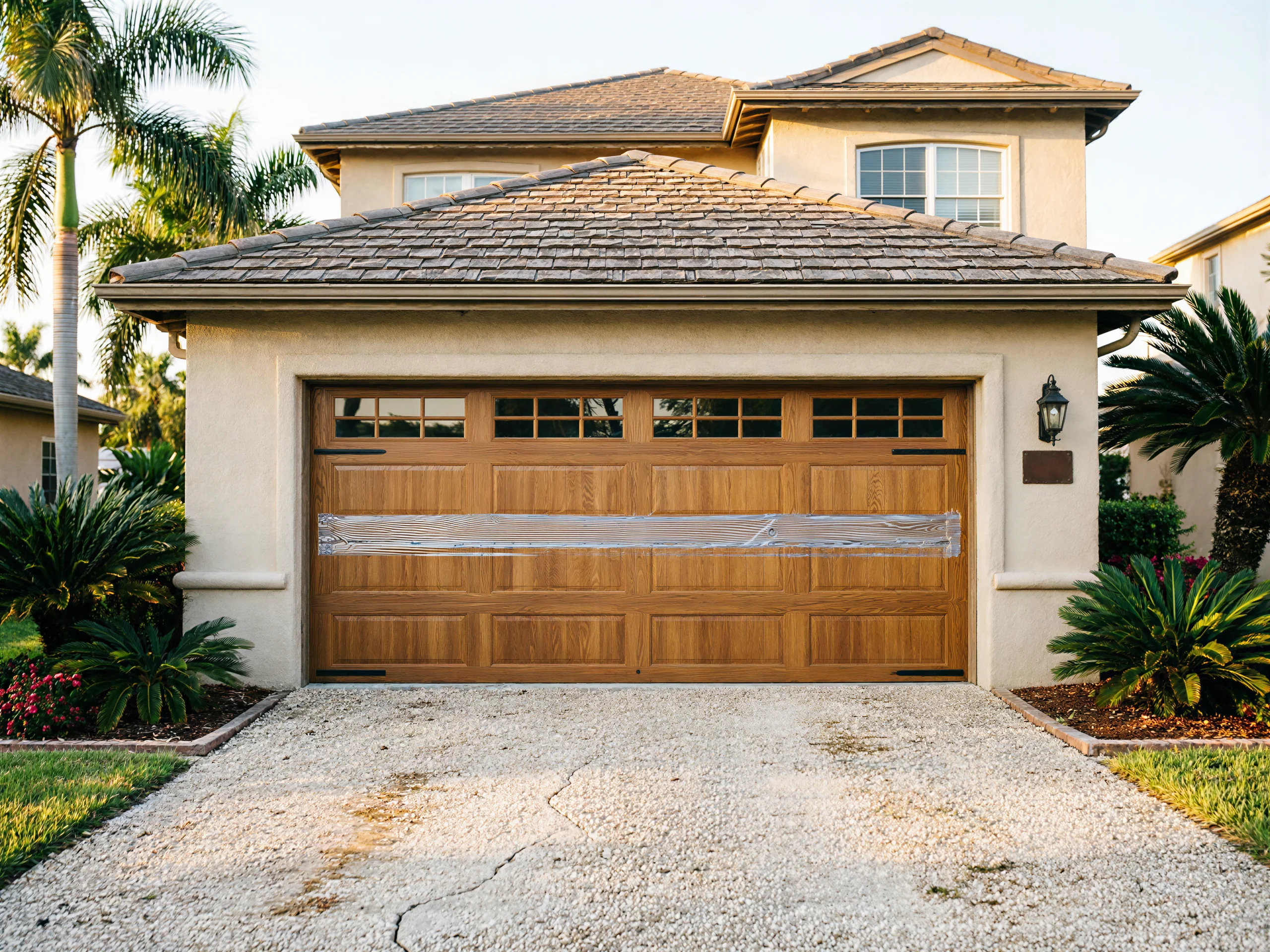
Garage Door Installation for Gainesville's Older Housing Stock
Gainesville homes built mostly 1967-2004 often carry original hardware that doesn't fit current doors. Learn more →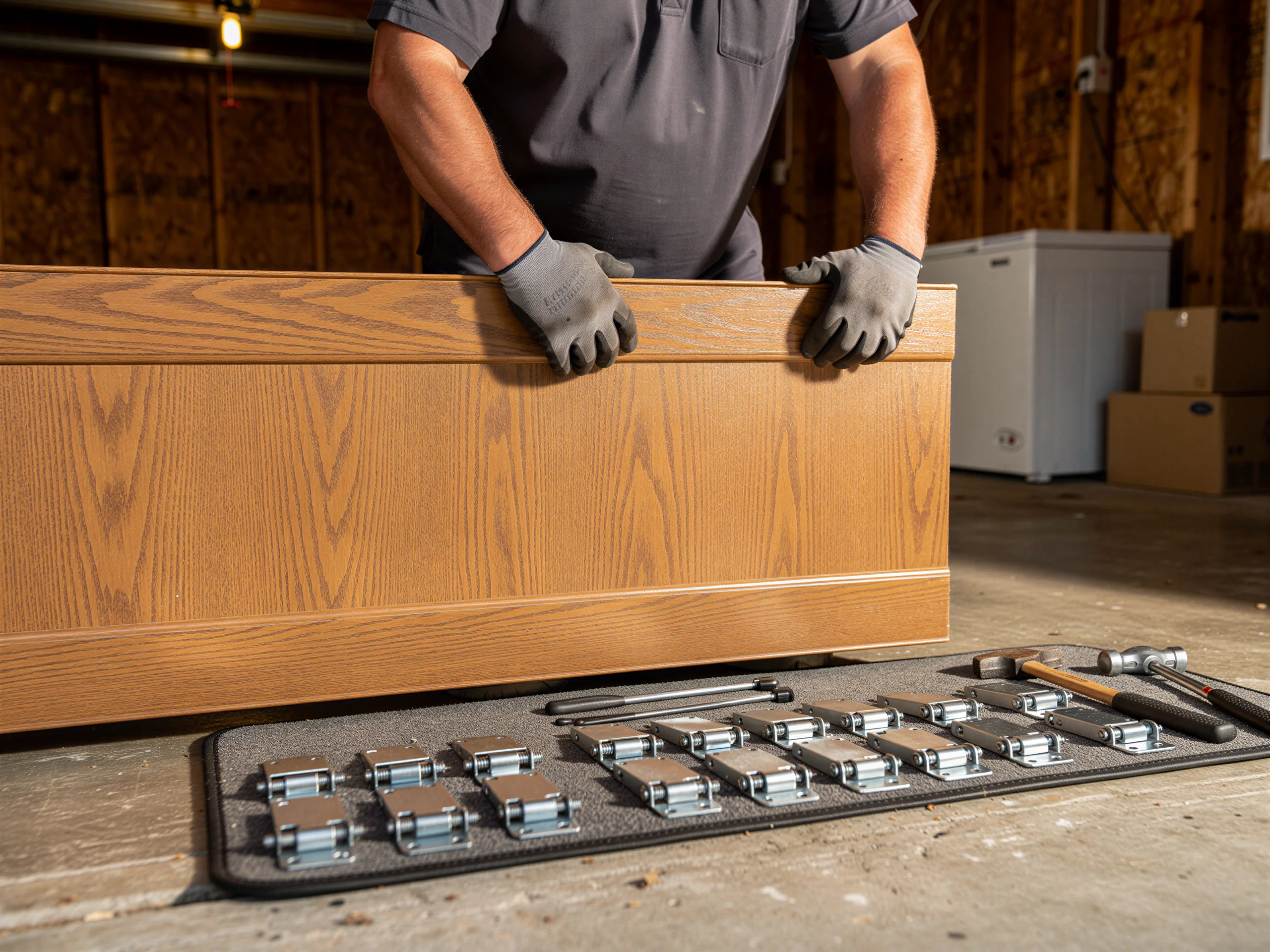
Garage Door Panel Replacement in Gainesville
Garage door panels on Gainesville homes built from the 1960s through the 1990s dent, rust, and warp with age. Learn more →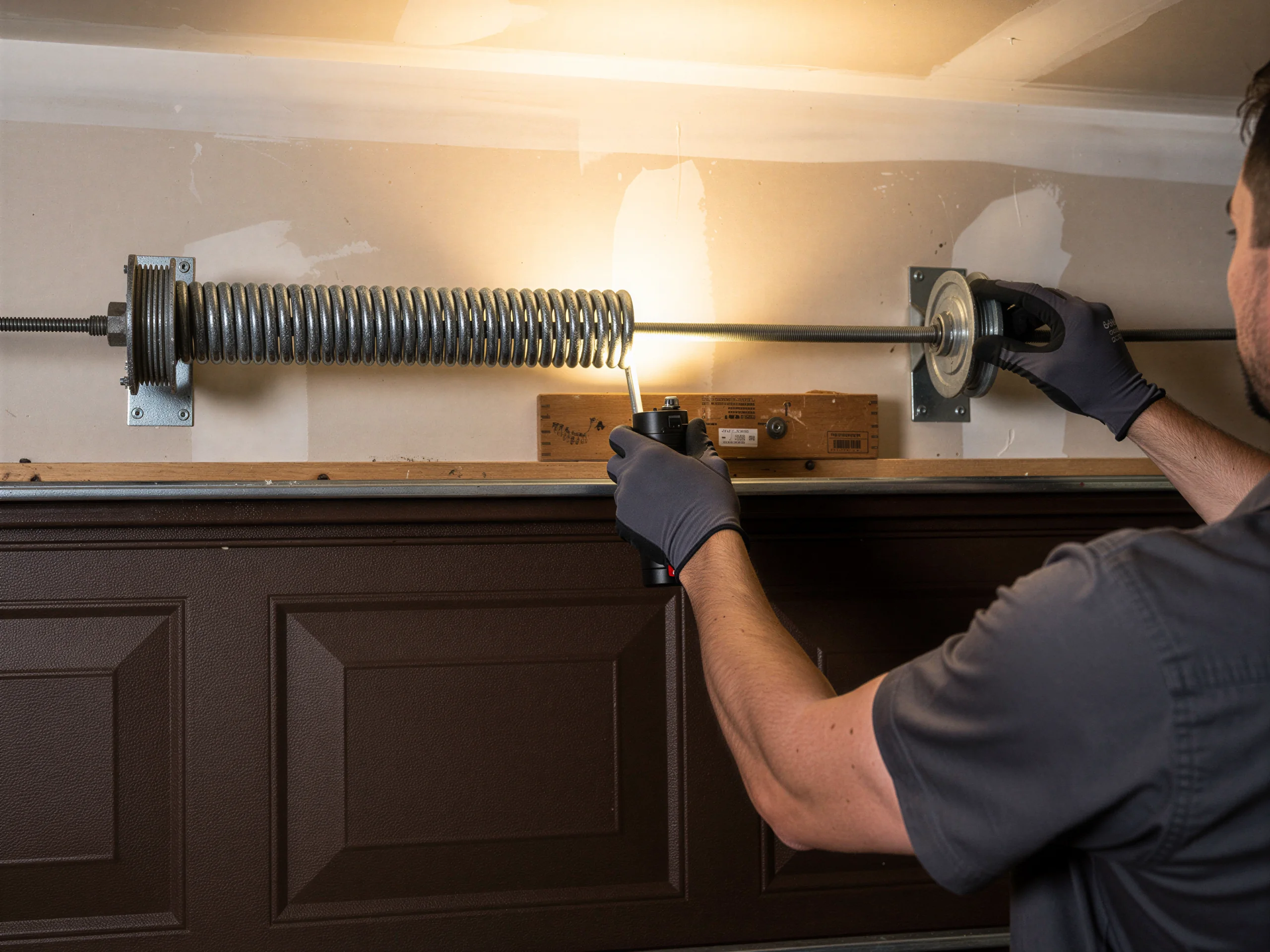
Garage Door Spring Repair Across the Gainesville Area
Broken torsion spring on a Gainesville garage door? Learn more →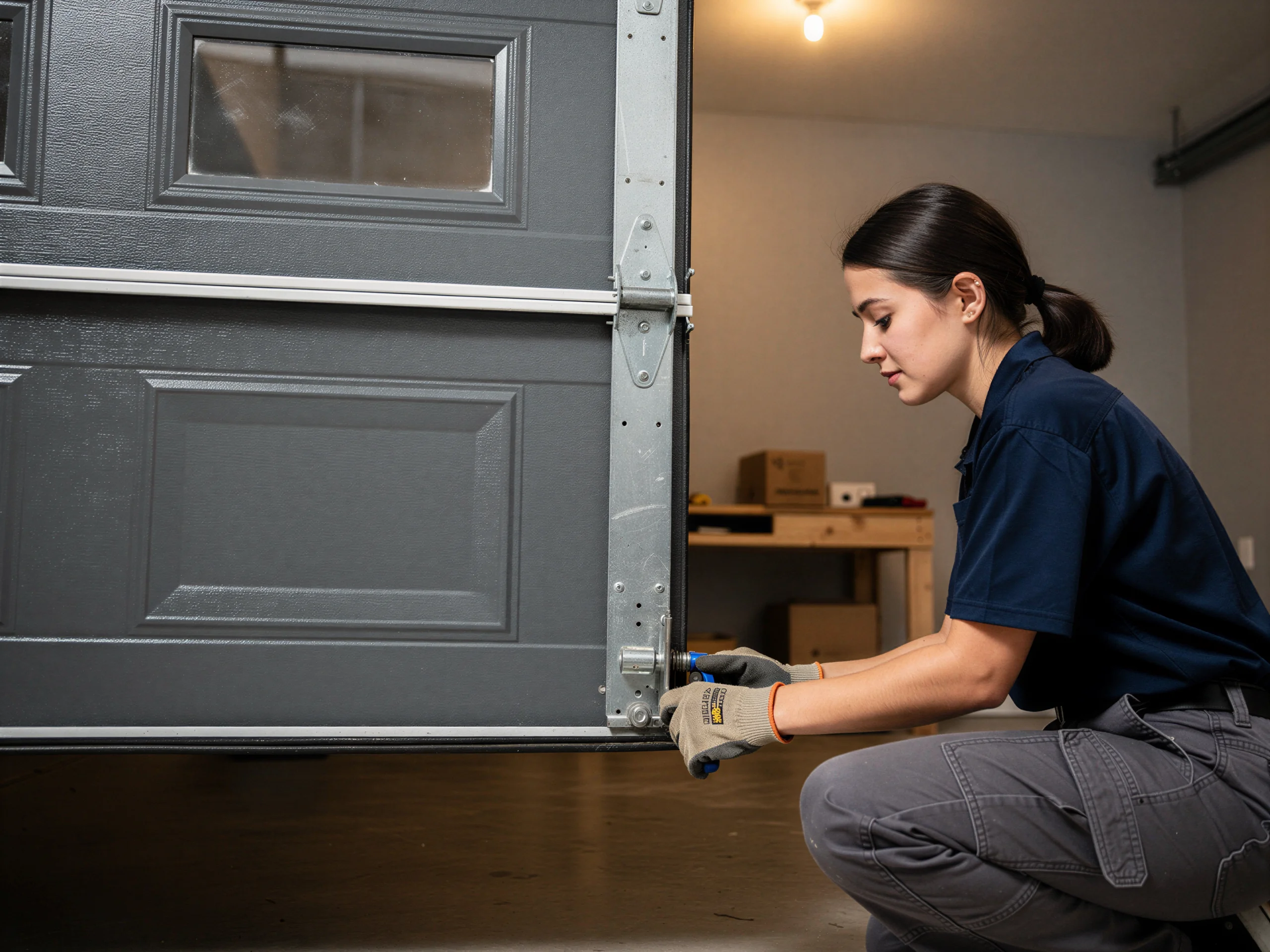
Garage Door Repair for Gainesville Homes
Gainesville garage door repair for homes built from the late 1960s through the early 2000s, with fixes suited to the area's mild, humid climate and aging torsion hardware. Learn more →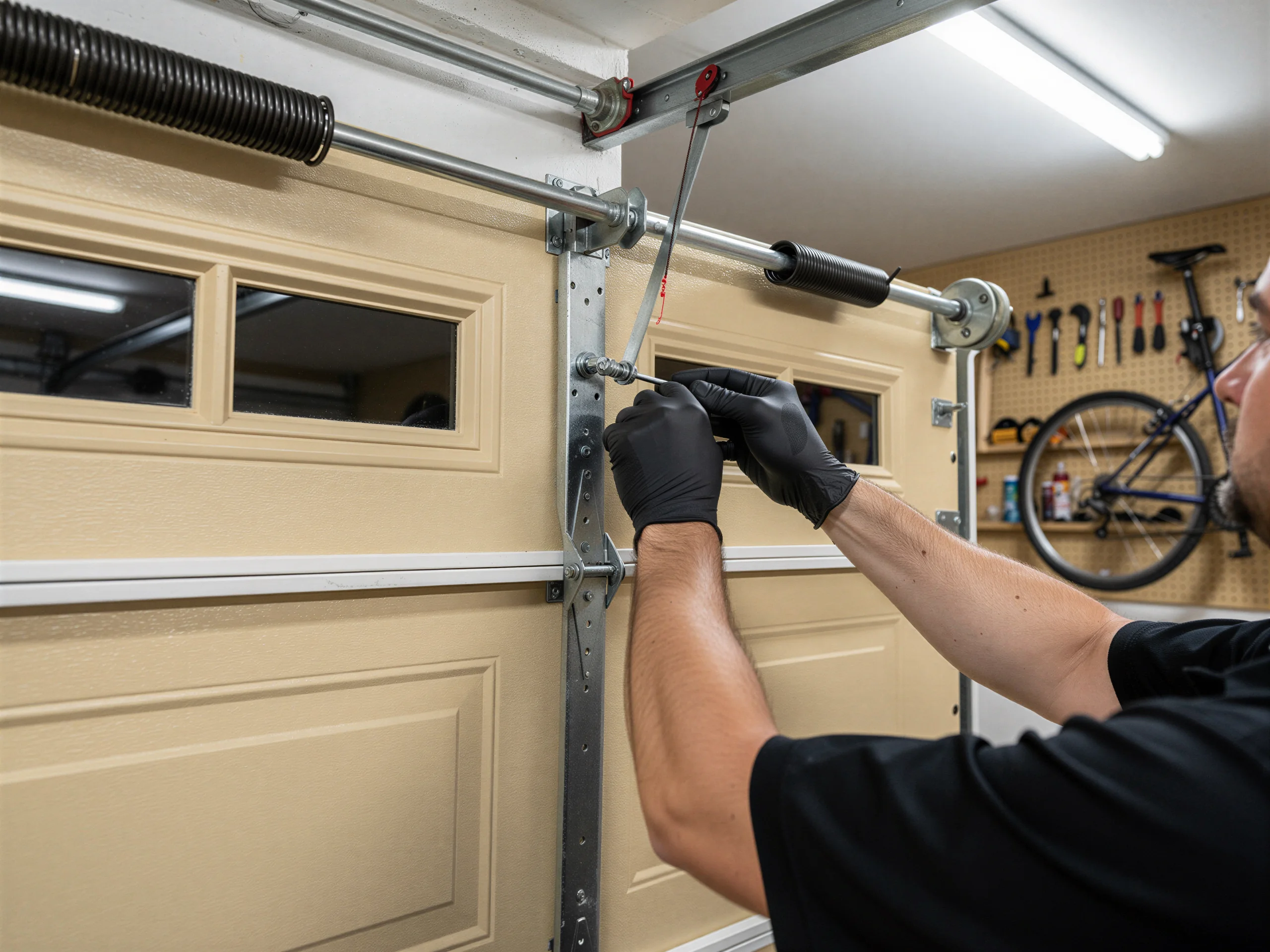
Garage Door Service for Gainesville's Older Housing Stock
Gainesville Garage Door Pros fixes springs, openers, and tracks on the 1960s-90s housing stock across Gainesville's neighborhoods, from University Park to Haile Plantation. Learn more →Ready when you are
Garage door opener acting up in Gainesville?
Gainesville Garage Door Pros repairs and installs garage doors, springs and openers in Gainesville, FL and the surrounding area.