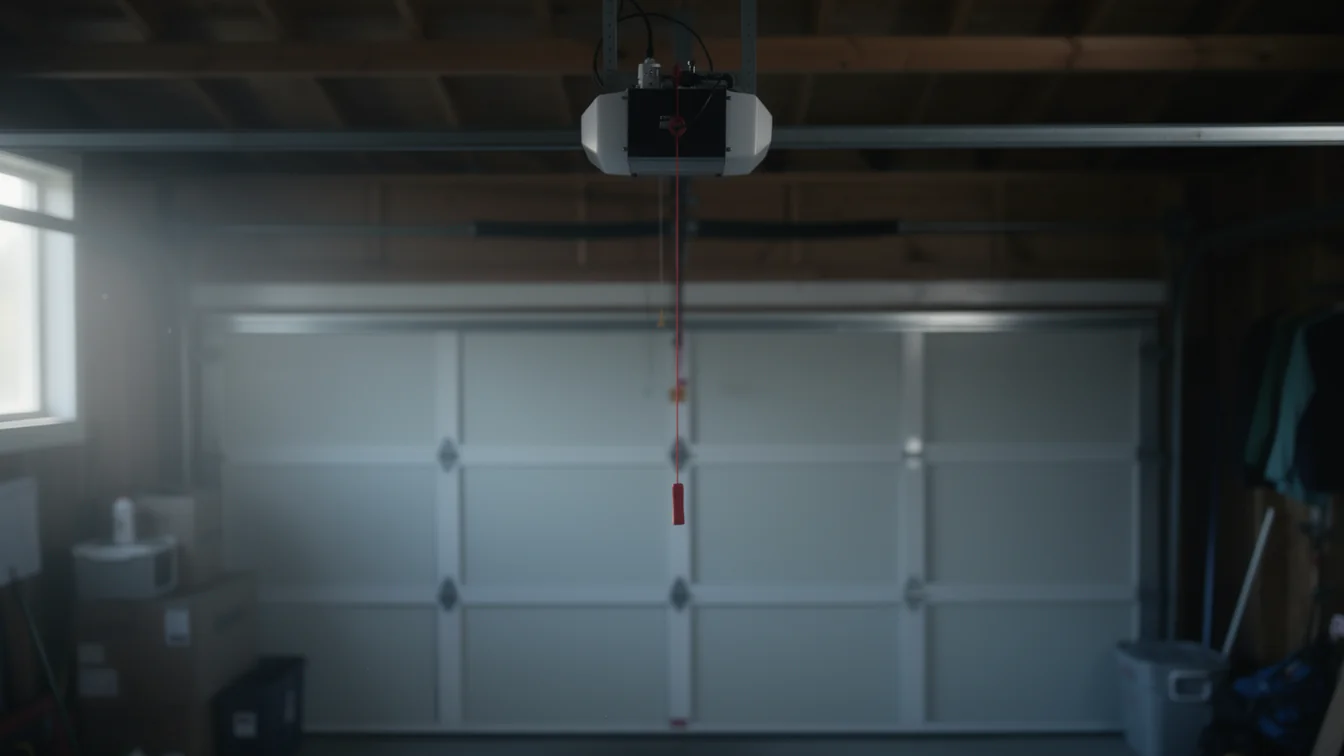
 When the Power Goes Out, Your Opener Goes With It
How Gainesville's 1960s-70s housing stock and occasional freeze nights affect garage door openers during power cuts, and what it actually costs to fix.
Why Garage Doors in Gainesville Fail on a Schedule, Not at Random
Gainesville's housing stock runs 1967 to 2004, and original garage door hardware on those houses fails in predictable patterns. Here's what that costs to fix.
Local detail
The Problem
Most of the houses we work on in Gainesville went up between 1967 and 2004, with the median sitting around 1975. That means the bulk of the garage doors in this area are tied to one era of hardware, whether it's the original door or a second one hung sometime in the 80s or 90s. Walk through University Park, University Heights, or out toward Haile Plantation and you'll find the same torsion springs, the same steel tracks, and openers rated for a load and a cycle count that made sense forty years ago.
These parts don't fail because somebody did something wrong with them. They fail because they've been doing the same job, day in and day out, since before a lot of current owners bought the house. A spring rated for a certain number of cycles doesn't care that it still looks fine from the driveway. It's counting down the same way it has been since it was wound on, and on a house from this stretch of building years, that countdown is usually close to done.
The area
The Common Mistake
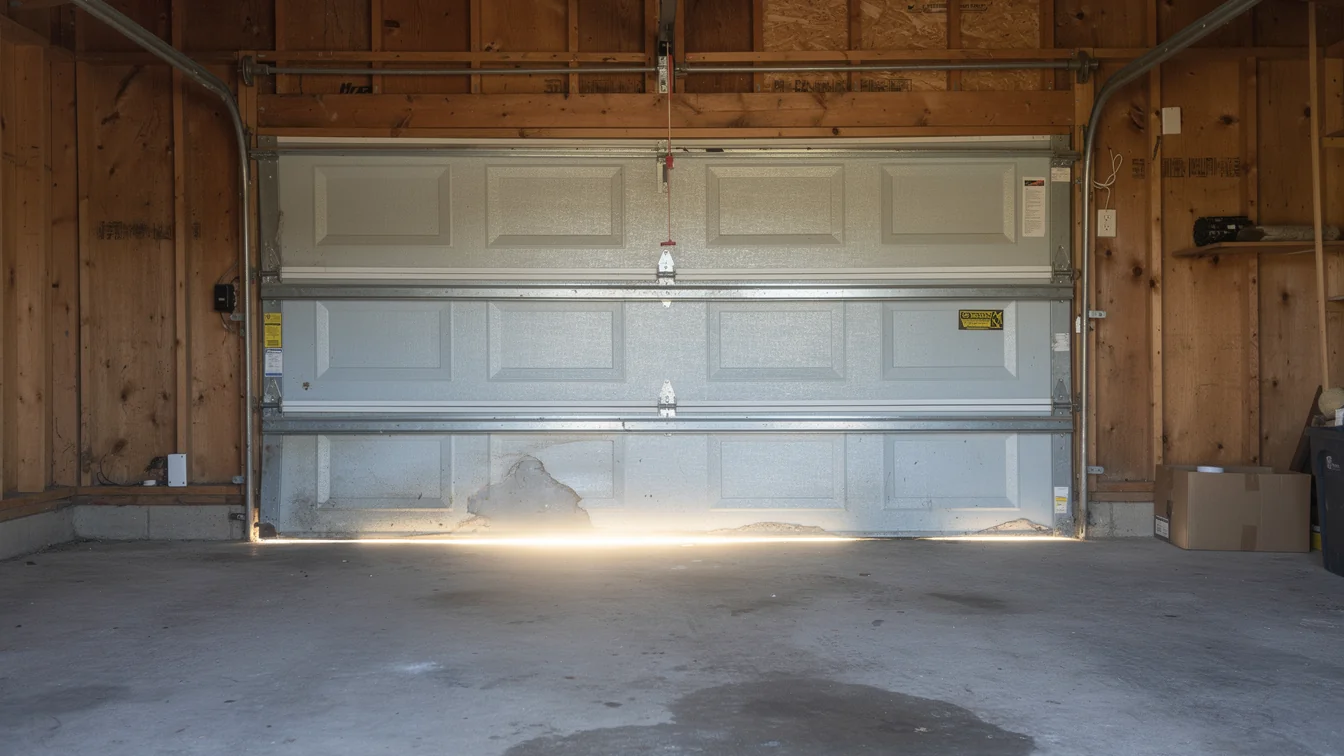
The mistake we see most often here is replacing one broken part, calling the job finished, and not looking at what sits next to it. On a door built somewhere in that 1967-2004 run, the spring, the cable drum, and the track were sized together for one specific door weight and one lift geometry. Swap in a generic, off-the-shelf spring sized for a lighter modern door, and the original drums and cable on that house no longer match the new spring's wind and tension.
The door runs unevenly for a while - you might not even notice right away - and then a cable jumps the drum, or a bearing plate pulls loose from the jamb it's been bolted to since the house was built. We get the callback six months later for a second repair that the first one actually set up. It's an easy mistake to make if you're only looking at the part that broke, not the whole system it belongs to.
What we find
What the Weather Here Does to It
Gainesville sits in a mild climate band with occasional freeze, not the hard freeze-thaw winters that crack slabs and rack door frames further north. You won't lose a door to frost heave here. What you do get is steady, mild temperature through most of the year with the occasional cold snap, and that's a different kind of stress on a torsion spring than people expect.
A spring that cycles at close to the same tension month after month, without a real winter cold stretch to let the steel sit idle, doesn't get the seasonal rest that some springs elsewhere do. On the original-era hardware we're still servicing from this area's 1967-2004 building years, that steady year-round cycling is usually what's behind a spring finally letting go - not a sudden weather event, just a long run of consistent use finally catching up with thirty- or forty-year-old steel.
How we work
What It Costs
With a median household income of $77,938 across the area we serve, and 8,003 of the 11,120 households here owning rather than renting, most of the calls we get are from an owner trying to decide whether a repair is worth doing, or whether it's time to replace a door that's already been patched once or twice. On a door from the 1967-2004 stock, parts are usually still out there, but a full torsion system rebuild - spring, drums, cable, sometimes the track - can run close to what a new door costs once labor is added in. That's the point where we tell people straight that a new door makes more financial sense than a third repair on the old one.
We don't keep a flat price list for this, and we're not going to pretend one number covers every house. It depends on door size, spring weight, and whether the track's worn enough to need replacing alongside everything else.
Questions
Common questions
Why does my garage door spring keep breaking?
If your house was built in the 1967-2004 range that covers most of this area, the spring is probably original or close to it, and it's been cycling at roughly the same tension through mild weather for decades without much seasonal rest. At some point the steel's just done. Replacing it with a mismatched spring instead of one sized for your door's actual weight is what usually causes a second break soon after.
Is my garage door opener too old to repair?
It depends on the unit, but openers installed anywhere in that 1967-2004 building window are old enough that some gear and sprocket parts are getting hard to source. We'll tell you honestly if a part's available before we quote a repair - if it isn't, replacing the opener is usually cheaper than chasing discontinued parts.
Should I repair or replace an old garage door in Gainesville?
If it's a single part failing on a door that's otherwise sound, repair usually makes sense. If you're looking at a second or third repair on a door from this area's original building stock, replacement often costs about the same once labor's added up, and you're not back on the schedule for another failure next year.
Recommendation
You Might Also Like
More garage door guides for Gainesville homeowners.
When the Power Goes Out, Your Opener Goes With It
How Gainesville's 1960s-70s housing stock and occasional freeze nights affect garage door openers during power cuts, and what it actually costs to fix.
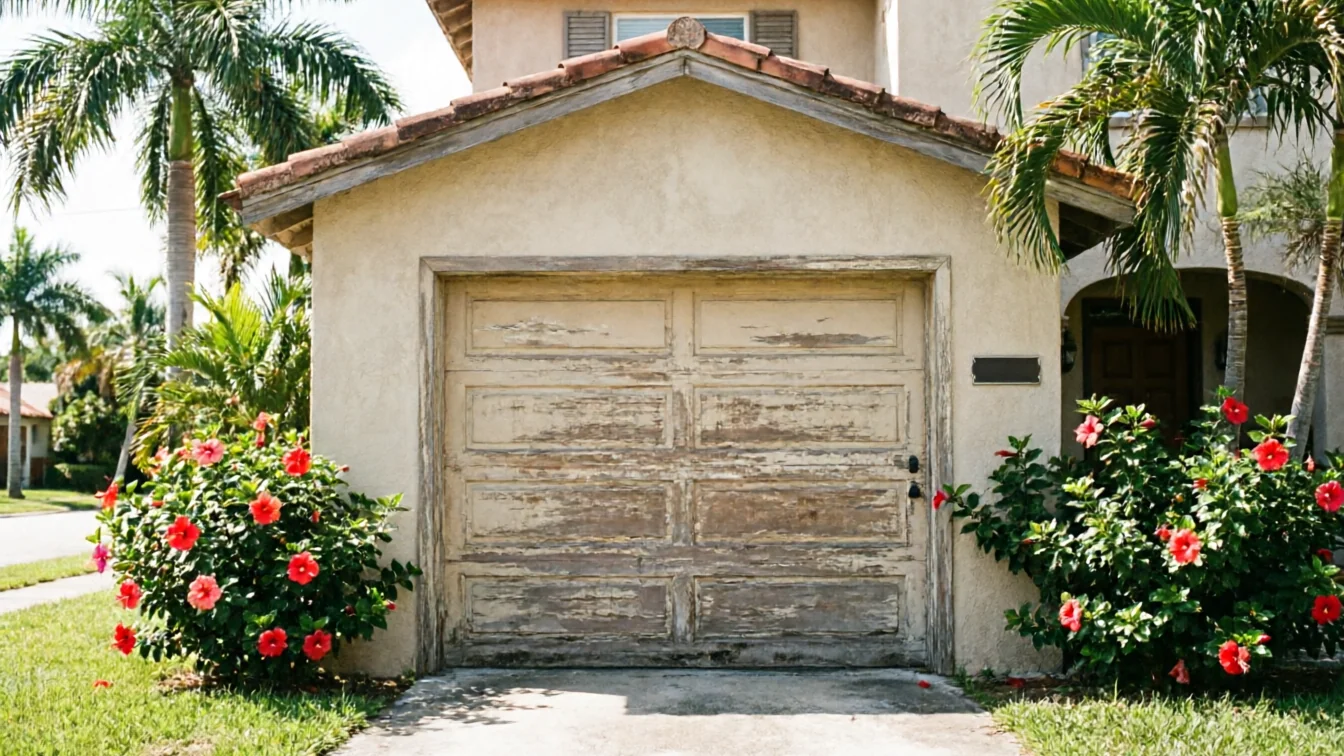 Older Garage Doors in Gainesville: When to Repair and When to Replace
A look at when a 1970s-era Gainesville garage door is worth repairing versus replacing, based on the area's housing age, hardware, and mild-climate wear patterns.
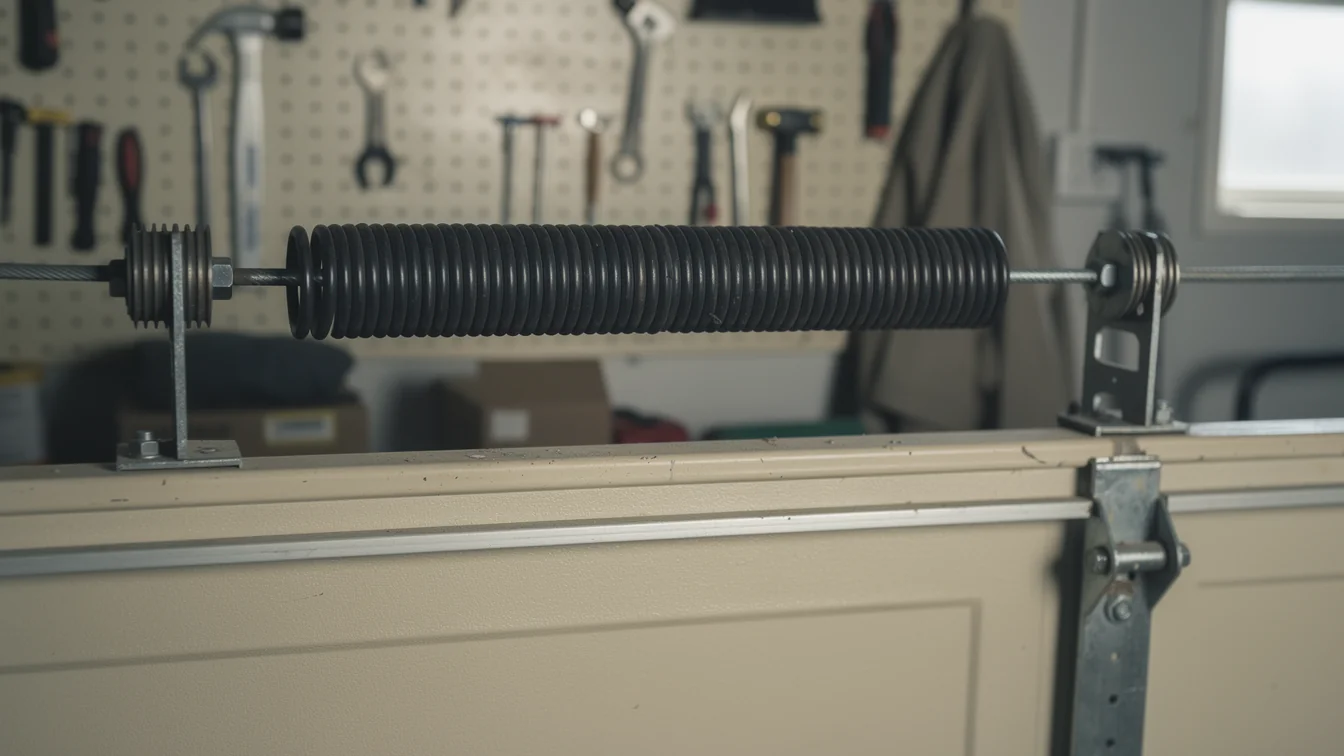 What Happens When a Spring Goes in Cold Weather Here
Gainesville's mild climate still dips below freezing a few nights a year, and that's when 1970s-era torsion springs on original hardware finally let go.
Ready when you are
Need a garage door sorted in Gainesville?
Gainesville Garage Door Pros repairs and installs garage doors, springs and openers in Gainesville, FL and the surrounding area.