Gainesville, FL
Garage Door Panel Replacement in Gainesville
Garage door panels on Gainesville homes built from the 1960s through the 1990s dent, rust, and warp with age. Learn what panel replacement really involves.
What Can Go Wrong
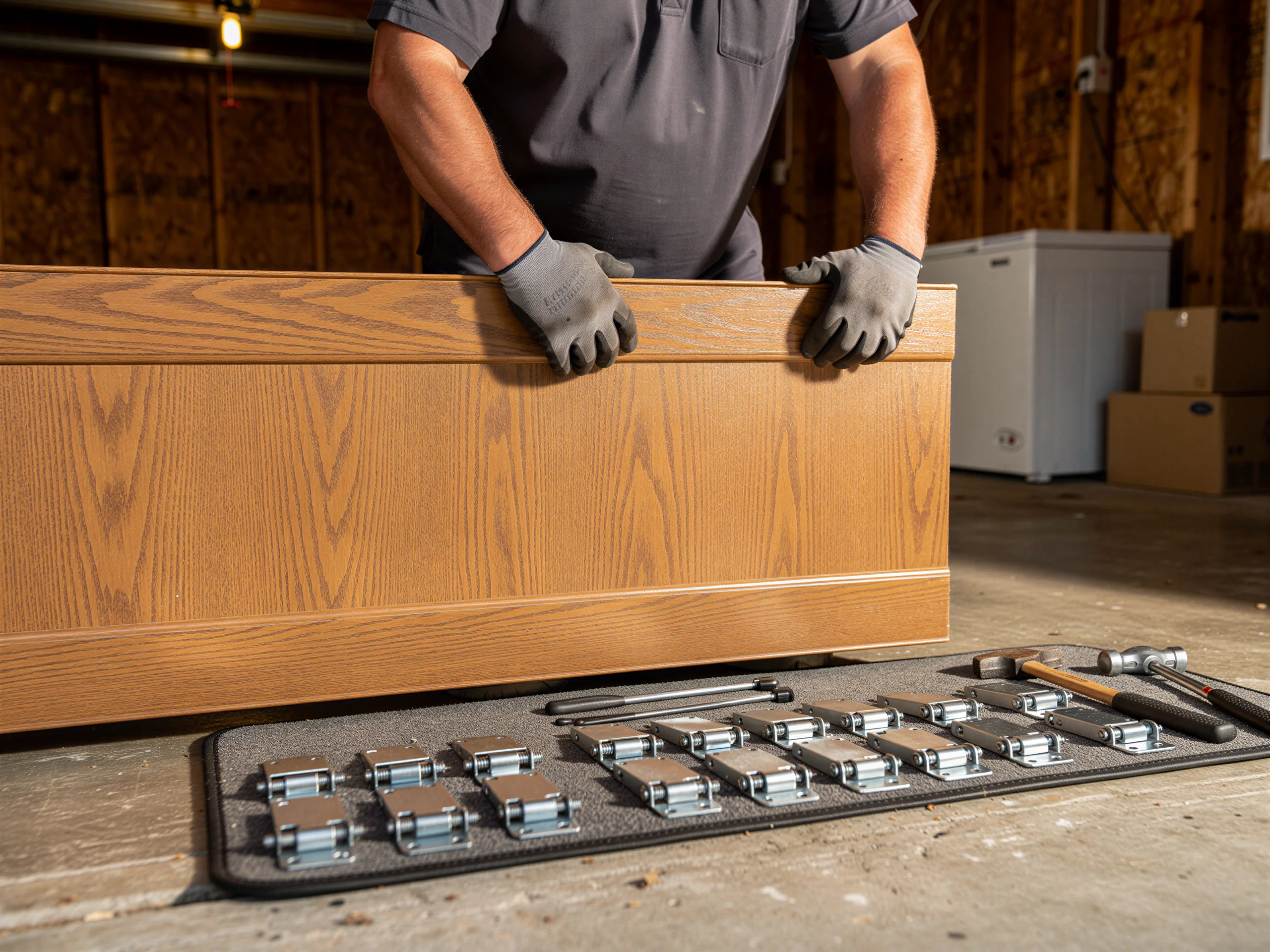
A garage door panel fails in a handful of predictable ways. The bottom panel takes the brunt of it - lawnmower nicks, a trailer hitch backed in too far, water sitting against the base after rain.
Dents and foam delamination
Steel panels dent and the paint cracks at the seam, then rust works in from there. Mid and top panels usually fail differently: they bow or oil-can under wind load once the steel thins out, or the foam core delaminates from the skin and the panel goes soft to the touch.
Rot along bottom rail
On older wood composite doors, the failure mode is swelling and rot along the bottom rail, especially where a sprinkler hits the door or gutters dump water near the slab. Hinges pull loose from a weakened panel edge, which throws the whole section out of alignment and puts extra strain on the rollers next to it.
Single panel isolated damage
Single-panel damage doesn't always mean the door needs to come down. If the section is still square and the track alignment hasn't shifted, swapping that one panel is usually enough. The trouble starts when the damaged panel is holding a hinge or the end stile, because then the fix touches hardware the rest of the door depends on to run straight.
Why It Happens Here
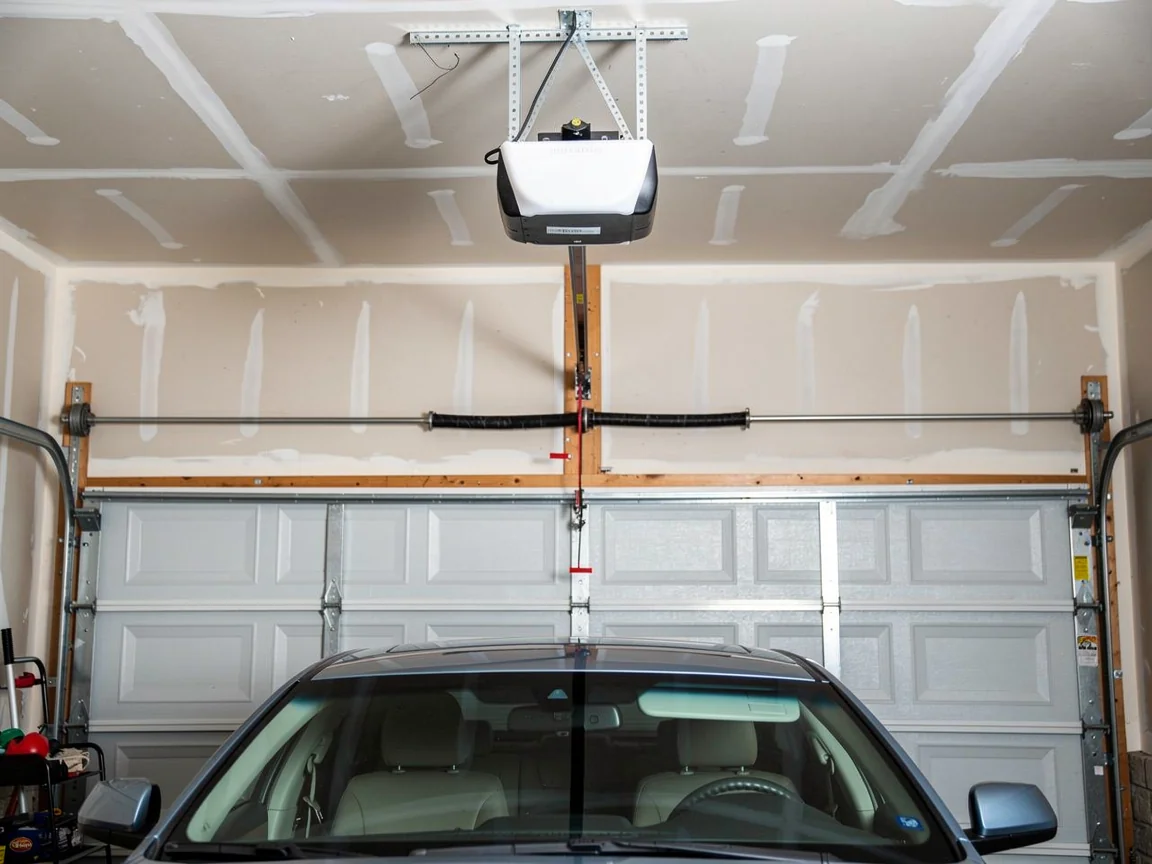
Housing in the Gainesville area mostly went up between 1967 and 2004, with the median build year around 1975, and a good share of that stock clusters in the 1960s and 70s across the area's older neighborhoods. Doors from that era are almost always steel, often without the galvanized coating or baked-on finish that became standard later, so a scratch that would just sit there on a newer door starts rusting within a season or two.
The climate here doesn't help in the way people expect. It's a mild band with only occasional freezes, so panels aren't splitting from hard freeze-thaw cycles the way they might further north. Instead the damage is slower: humidity sits against the bottom seam, condensation collects where the panel meets the track, and steel that's already thirty-plus years old corrodes from the inside of the seam outward before it ever shows on the face.
Across 11,120 households and 8,003 owner-occupied houses in the service area, that adds up to a lot of original doors still carrying their first set of panels. Many of those panel profiles aren't made anymore, which is the detail that actually decides whether a repair is a quick swap or a longer sourcing job.
What the Fix Involves
The first step is matching the panel - height, width, rib pattern, and hinge spacing all have to line up with what's already on the door, because panel sections from different manufacturers and different decades are rarely interchangeable.
Discontinued panel profiles
On a lot of the older steel doors common in this area, the original profile is discontinued, which means either a close-match panel or, if the whole door is past its useful life, a full replacement instead of chasing one panel.
Hinge and tracking check
Once a matching panel is sourced, the job is mechanical: pull the hinges and end hardware off the damaged section, set the new panel, re-hang the hinges, and check that the section tracks straight without binding against its neighbors. If the damaged panel carried a roller bracket or end stile, that hardware gets inspected too, since a bent bracket will throw a brand-new panel out of alignment just as fast as the old one.
Full door replacement
Here's the honest limit: if more than one panel is going bad, or the track and rollers show the same age-related wear as the panel, patching one section is a short-term fix. At that point a full door replacement usually costs less over time than panel-by-panel repairs on a door that's already near the end of its life.
The Symptom
Most calls start the same way: a homeowner notices daylight coming through the bottom seam of the door, or a rust stain spreading up from where the panel meets the slab.
Wind flex and rust
Sometimes it's visual first - a dent that's been there for months finally rusts through to a hole. Other times it's the door itself telling on the panel: it struggles on windy days, flexing visibly as it opens, or it won't seat flush at the bottom anymore and the weatherstrip doesn't seal.
New rattle or bang
A cracked or bowed panel also changes how the door sounds. Owners describe a new rattle or a section that bangs instead of rolling smooth, which usually means the panel has gone soft enough that it's flexing against the roller track on every cycle.
Bottom gap water entry
If a section no longer sits flush when the door's fully closed, that's worth a look soon - a gap at the bottom is an entry point for water and pests, and it tends to get worse, not better, once it starts.
Questions
Common questions
Can you replace one garage door panel without replacing the whole door?
Often, yes, if the panel is a size and profile that's still available or closely matched, and the rest of the door's hardware and track are in decent shape. The harder cases are older steel doors with discontinued panel profiles, where a close match is possible but not identical in finish or rib pattern.
Why does the bottom panel rust out before the rest of the door?
It sits closest to the slab and catches the most moisture - rain splashback, sprinkler overspray, condensation where the panel meets the track. On steel panels from older stock without a strong protective coating, that moisture exposure adds up over decades and the seam rusts from the inside before it shows on the surface.
Is it cheaper to replace a panel or the whole door?
A single panel swap costs less upfront, but if the door is old enough that other panels are showing the same wear, or the panel profile is hard to source, a full replacement can work out cheaper per year of service. It depends on the door's age and how many sections are actually affected.
How do I know if my panel is even repairable or if it needs full replacement?
If the section is dented or surface-rusted but still structurally square, and the hinge points haven't pulled loose, it's usually repairable with a matched panel. If the panel is cracked through, the end stile is compromised, or rust has eaten into the steel, replacement of that section - or the door - is the more reliable fix.
Explore more
Explore More Services In Gainesville, FL
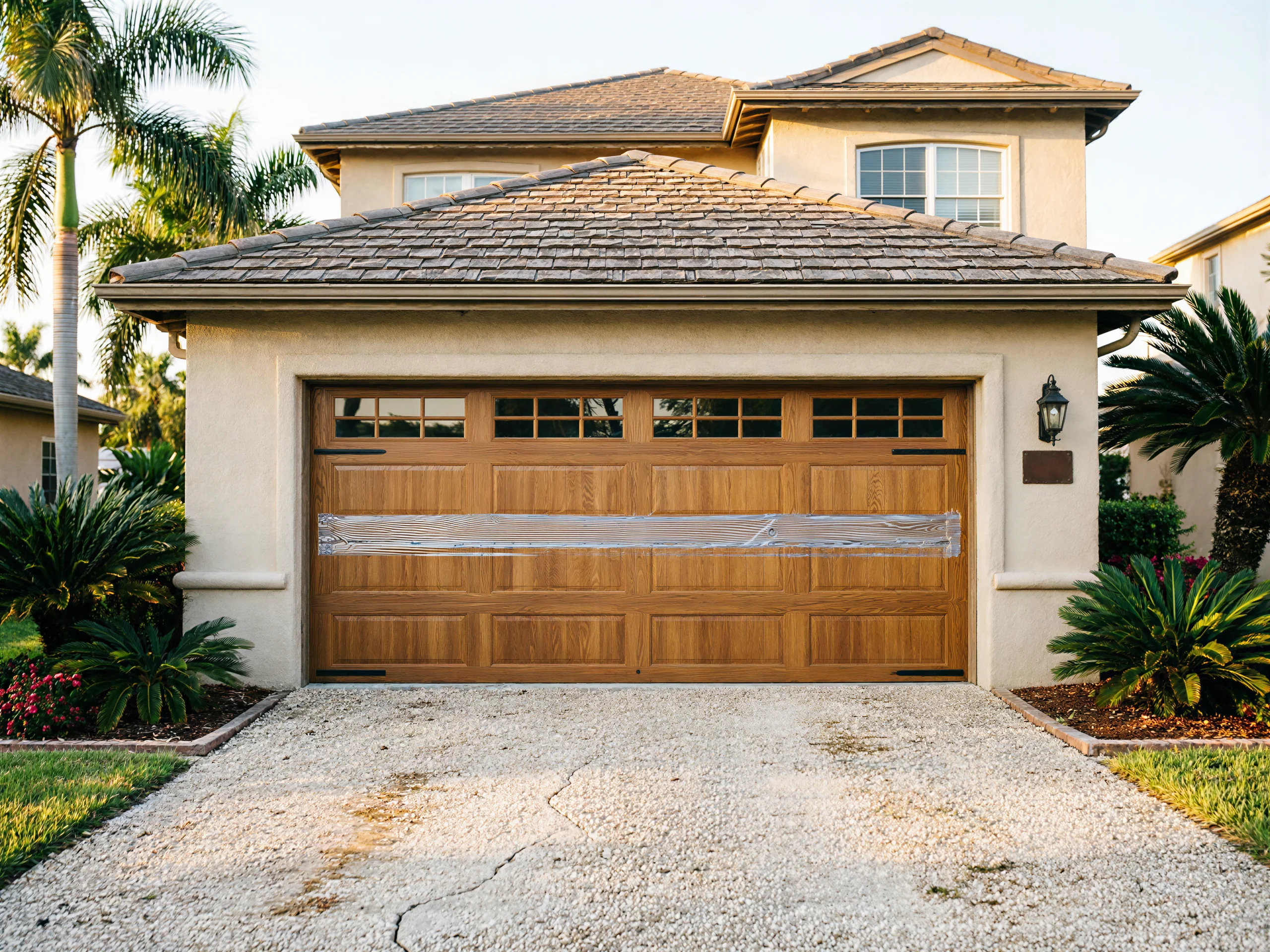
Garage Door Installation for Gainesville's Older Housing Stock
Gainesville homes built mostly 1967-2004 often carry original hardware that doesn't fit current doors. Learn more →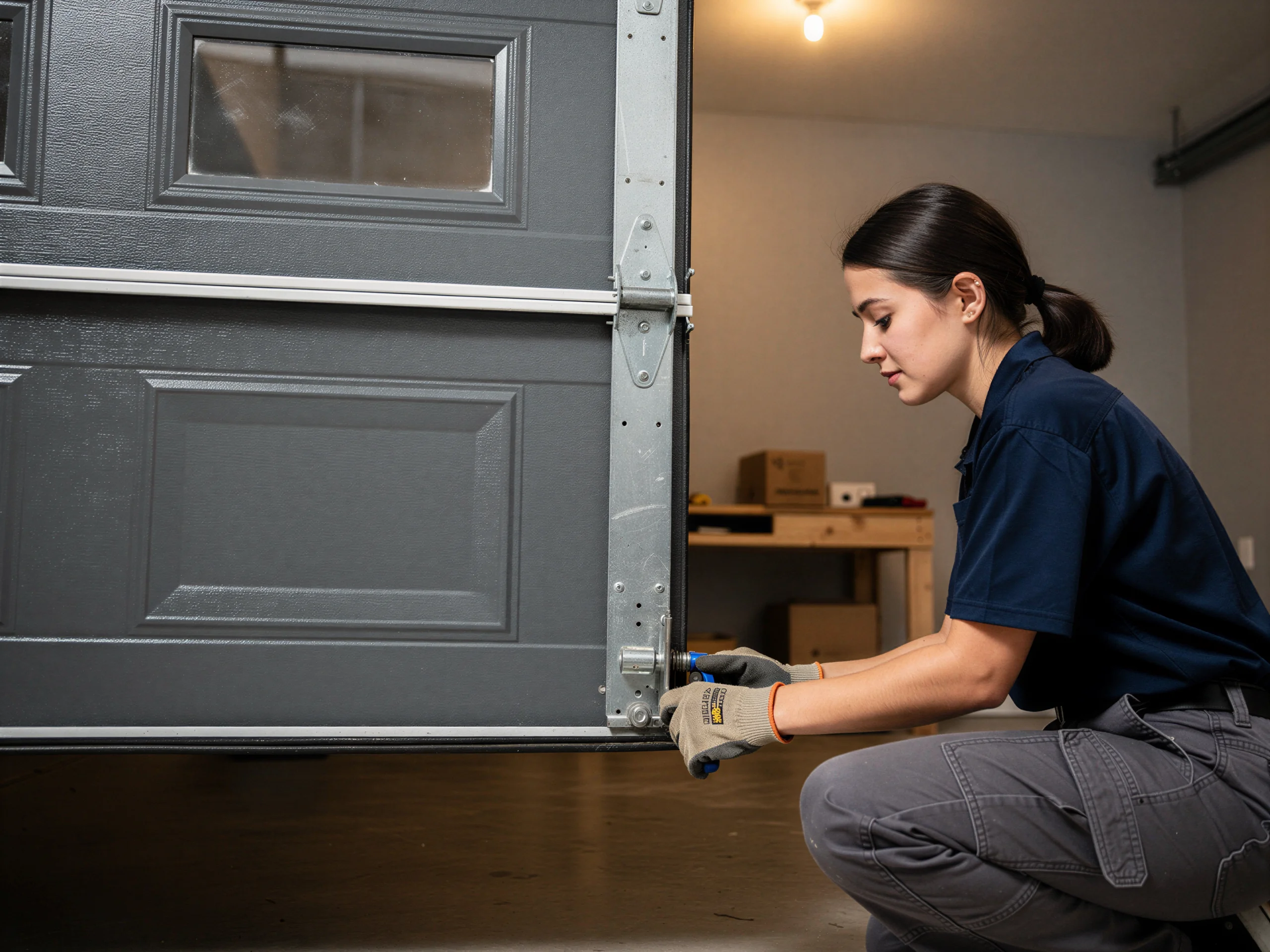
Garage Door Repair for Gainesville Homes
Gainesville garage door repair for homes built from the late 1960s through the early 2000s, with fixes suited to the area's mild, humid climate and aging torsion hardware. Learn more →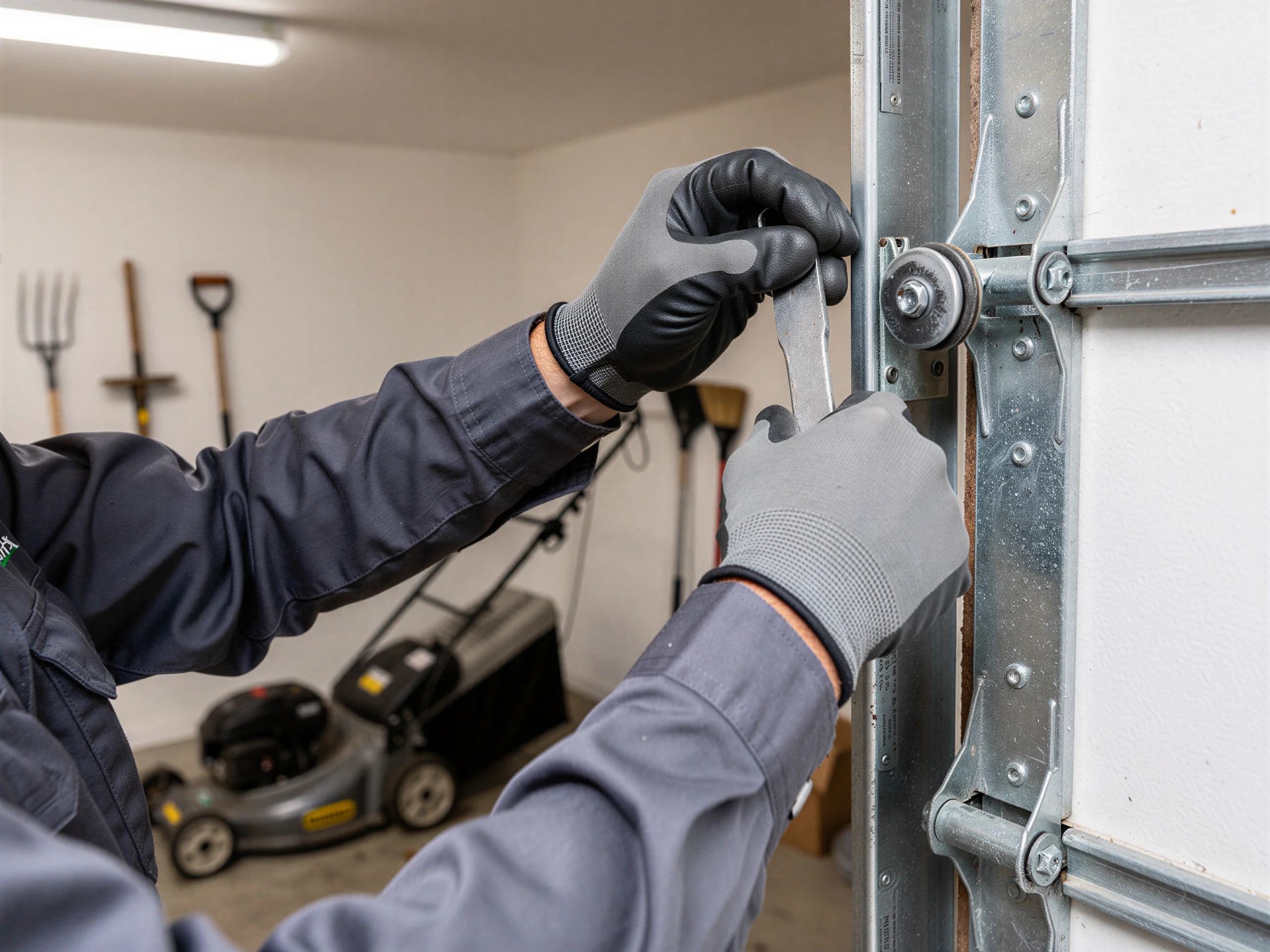
Garage Door Off Track: Why It Happens in Gainesville and What Fixing It Takes
Garage door jumped the track in Gainesville? Learn more →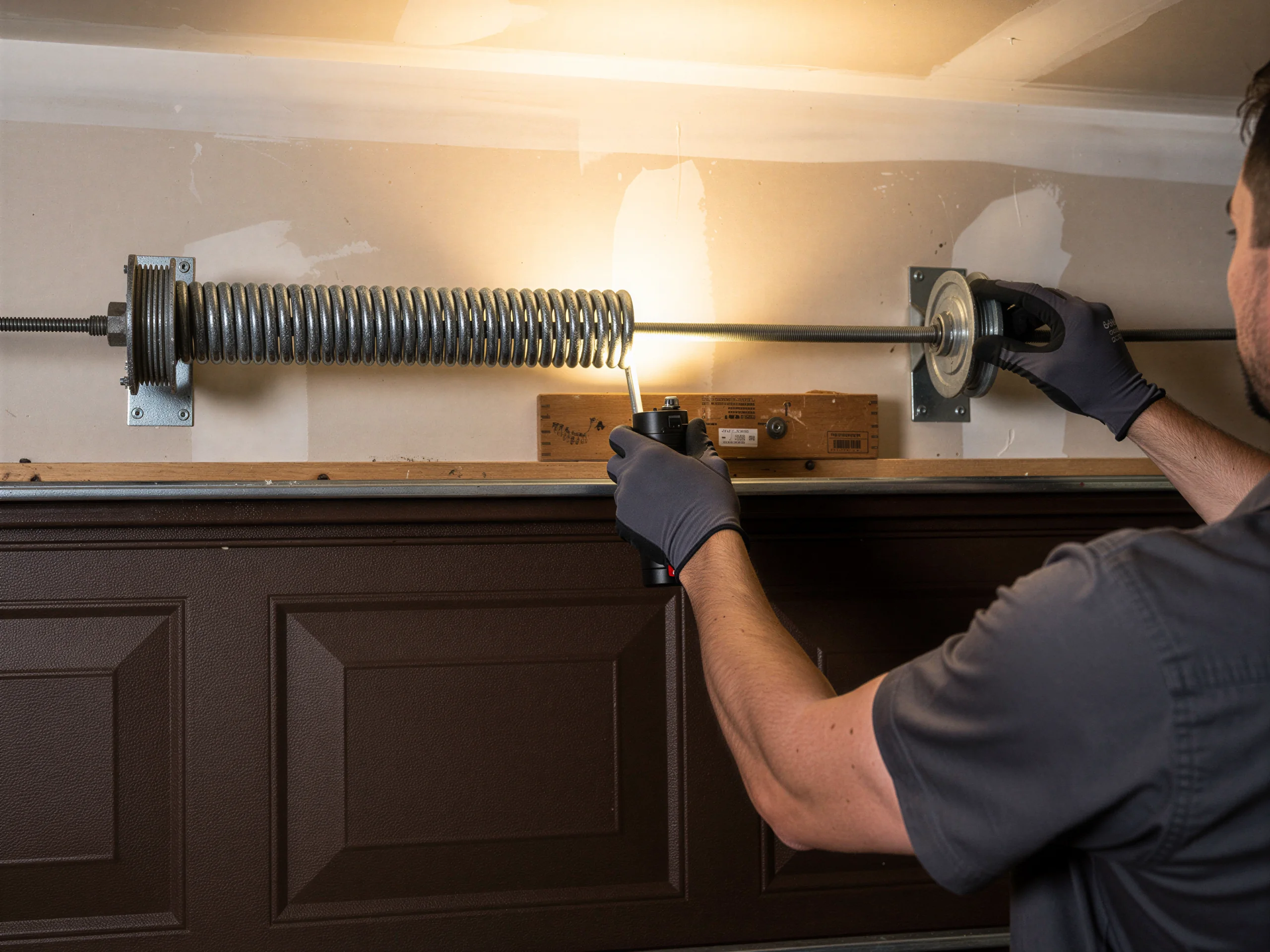
Garage Door Spring Repair Across the Gainesville Area
Broken torsion spring on a Gainesville garage door? Learn more →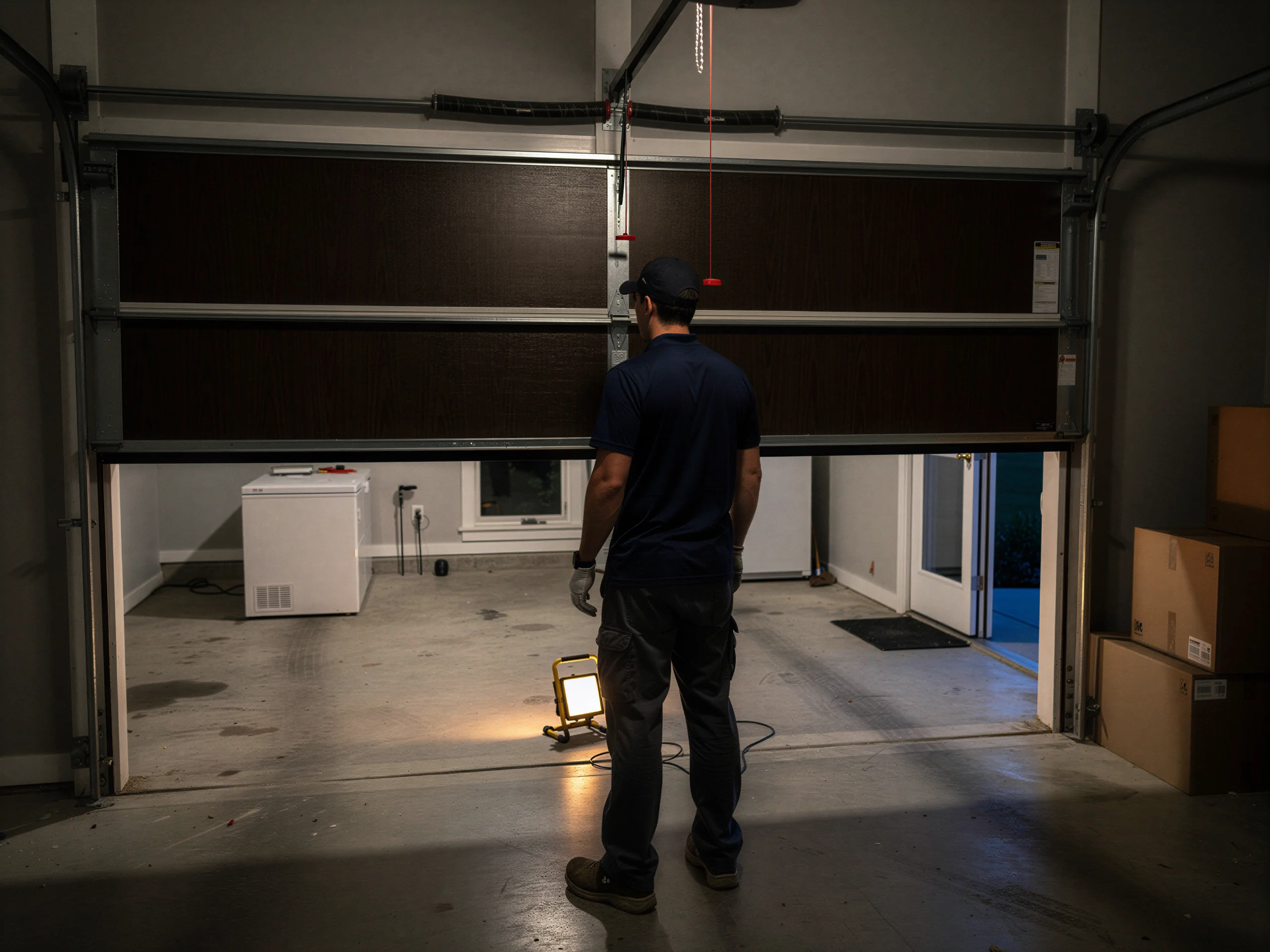
Emergency Garage Door Repair Across the Gainesville Area
Broken spring or dead opener at 11 PM? Learn more →
Garage Door Service for Gainesville's Older Housing Stock
Gainesville Garage Door Pros fixes springs, openers, and tracks on the 1960s-90s housing stock across Gainesville's neighborhoods, from University Park to Haile Plantation. Learn more →Ready when you are
Cracked or dented door panel in Gainesville?
Gainesville Garage Door Pros repairs and installs garage doors, springs and openers in Gainesville, FL and the surrounding area.