Keystone Heights, Gainesville
Off-Track Door Repair for Keystone Heights' 1970s Housing Stock
Keystone Heights homes built around 1970 run light steel track and extension springs that corrode and let doors jump the rail. Here's what that repair actually involves.
What Can Go Wrong
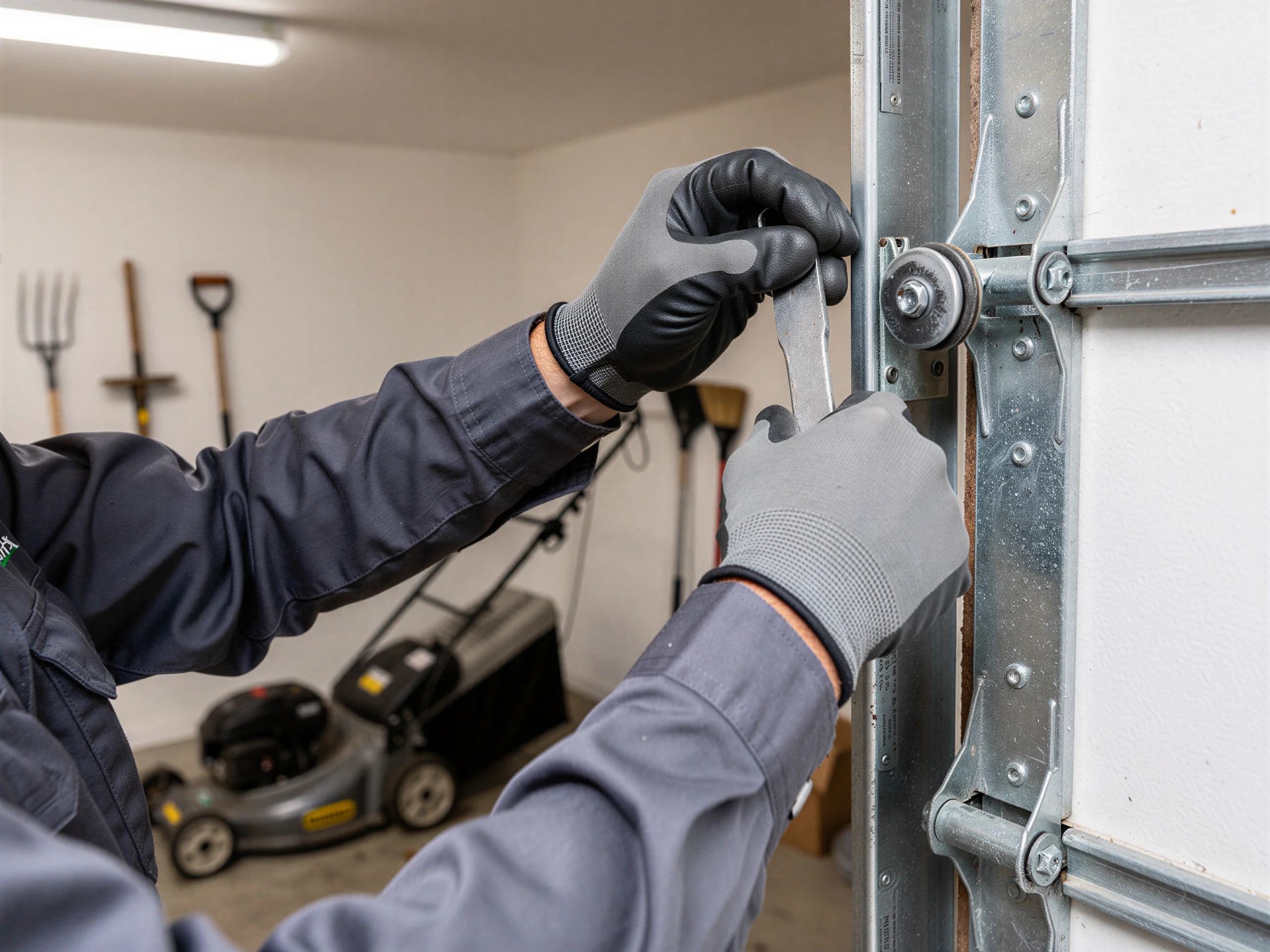
The door that looks merely crooked is the one to worry about most. A roller off the track on one side means the opposite side is still carrying weight it wasn't built to carry alone, and running the opener anyway - even once, even to see what happens - is how a bent track becomes a bent track plus a cracked panel.
Thin panel creasing
On 1970-era doors the panels are often thinner steel than what's made today, so a door forced through a jammed cycle can crease at the hinge line, and that's not something you tap back into shape.
Pitted drum cable fray
Cables can also fray where they ride over an old, pitted drum, and a cable that lets go while the door is partway up turns a stuck-door call into a door-on-the-ground call.
Bracket pulled loose
If the bottom bracket has pulled away from the track entirely, that's the one situation where we'll tell you flatly: stop using the opener, prop the door if you need it open, and wait for the truck.
What It Costs
We don't publish a flat number here because an off-track repair on a house this age can land anywhere between a quick re-seat and a full track-and-roller replacement, and the honest answer depends on what the tech finds once the door's open. A straightforward re-track - rollers back in the rail, bracket re-torqued, nothing bent - costs less than a visit where we're swapping out a bent section of track or a corroded bracket. What we can tell you is that with median household income in this area at $77,938, we see a lot of owners choosing to replace both brackets and the full track run at once rather than patch one side and have the other side fail in a year. That's a judgment call we'll walk through with you on site, not something we decide for you over the phone.
The Symptom
The giveaway on a 1970s door is almost always visual before it's audible: the bottom edge sits a half-inch to an inch out of square with the floor on one side, or the door stutters and jerks instead of gliding on its last foot of travel. Sometimes it's a faint scraping noise right at the top of the opening, which usually means a roller is riding the edge of the rail instead of inside it. If you hear a bang followed by the door refusing to move at all, that's different and more serious - stop there and don't force it with the opener. Minor misalignment can often wait a day or two for a scheduled visit. A door that's visibly tilted or won't budge should get a call the same day.
How Long You Are Without the Door
Keystone Heights sits roughly 20 miles from Gainesville, and that drive is the first thing to plan around. We don't keep a crew stationed in town, so every off-track call here starts with a truck leaving the shop and eating the better part of an hour on the road before a wrench touches anything.
Same-visit track reset
Once the tech is on site, resetting a door that's simply jumped the track - rollers out of the rail but cables and springs intact - is usually a same-visit fix, often under an hour of hands-on work.
Second trip for brackets
It gets longer if the track itself is bent or the bracket pulled loose from the jamb, because at that point we're replacing hardware, not just re-seating it, and that means a second trip if the right gauge track isn't on the truck.
Unstocked bracket sizes
We carry common sizes, but we won't pretend every bracket for a house built in 1970 is sitting in stock on a given Tuesday. If your track is a size we don't have loaded, we tell you that on site rather than guessing.
Why It Happens Here
Most houses in this area went up around 1970, and what went in on a door that year was almost always a steel one-piece or sectional door riding on extension springs with a pair of lightweight steel tracks bolted to wood jambs. That hardware wasn't built to last 55 years, and it wasn't built for the loads homeowners put on doors now - heavier openers, more daily cycles, the occasional bump from a car or a kid's bike. The region's climate band is mild with only occasional freeze, so you're not dealing with the slab heave or ice-jam failures that colder zones see. What you get instead is slow corrosion: track brackets rust at the lag-screw holes, the screws back out a thread at a time, and nobody notices until the day a slightly misaligned roller finally walks off the rail. On a door this age, that's not a freak event. It's the hardware reaching the end of what it was ever rated for.
Questions
Common questions
Why does my door keep jumping the track when nothing's broken?
On a house built around 1970, the track brackets are often original. Decades of rust at the mounting screws let the bracket shift slightly each cycle, so the rail is no longer perfectly straight. Eventually a roller catches the lip instead of running inside it. It's wear, not a single failure, which is why it tends to recur until the bracket is replaced.
Can I push the door back onto the track myself?
If only one roller is out and the cables and springs look intact, it's sometimes a simple reset - but extension springs under tension are not something to work near without knowing how to release them safely. If the door won't move freely by hand, leave it and call. Forcing it risks bending the track further or snapping a frayed cable.
How far out does your crew travel for a job like this?
We cover Keystone Heights from our shop in Gainesville, about 20 miles out. We don't have a local branch here, so expect the drive to be part of the scheduling conversation, not a same-hour dispatch. We'll give you a realistic window when you call rather than a guess.
Is it worth replacing the whole track instead of just fixing the broken section?
On a door this age, often yes. If one bracket has corroded enough to fail, the other side is usually close behind. We'll look at both sides on site and tell you plainly whether a partial fix is reasonable or whether you're better off doing the full run once instead of calling us back in six months.
Explore more
More Services in Keystone Heights
Emergency Garage Door
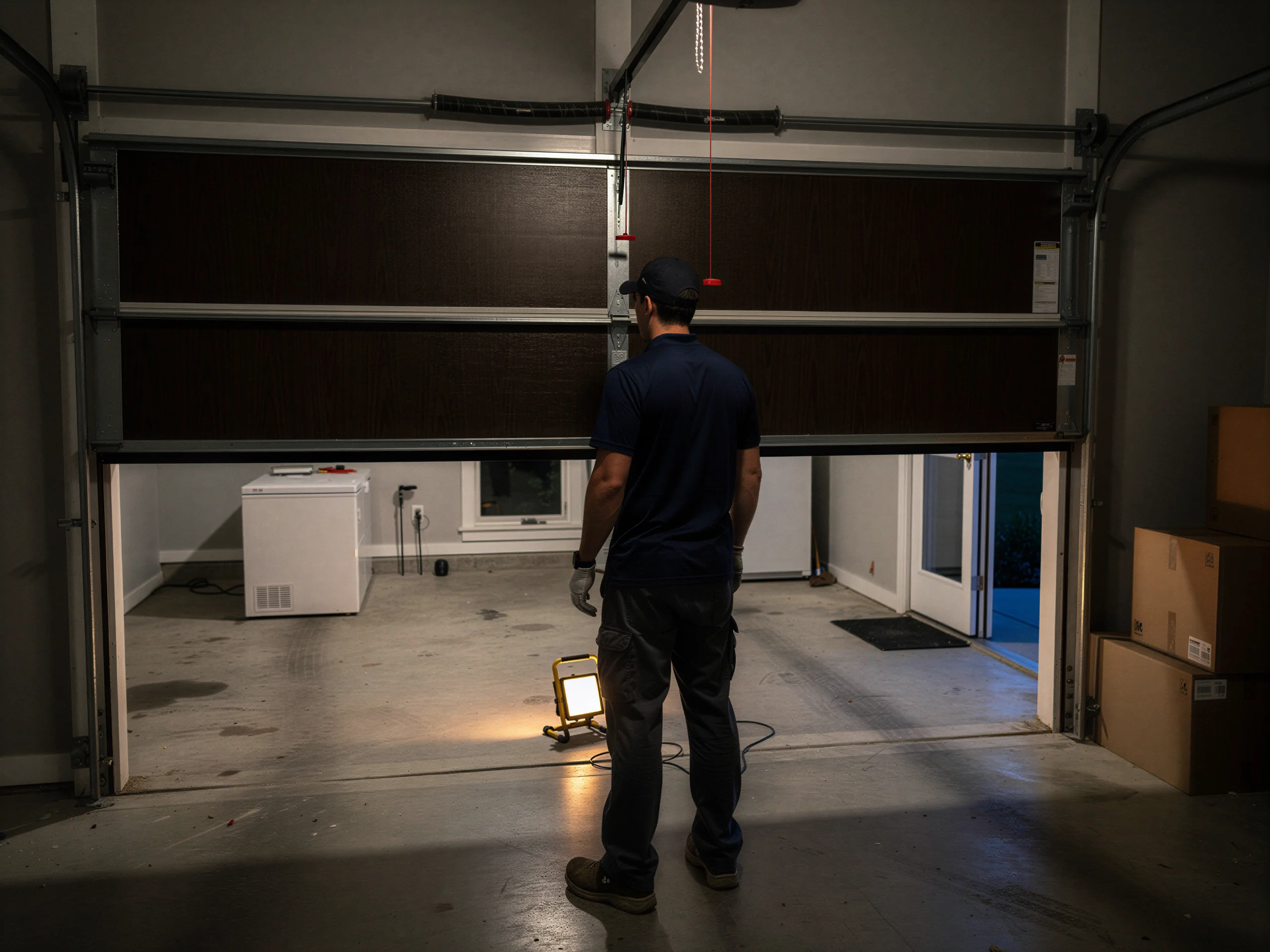
Broken spring or jammed track in Keystone Heights? Learn more →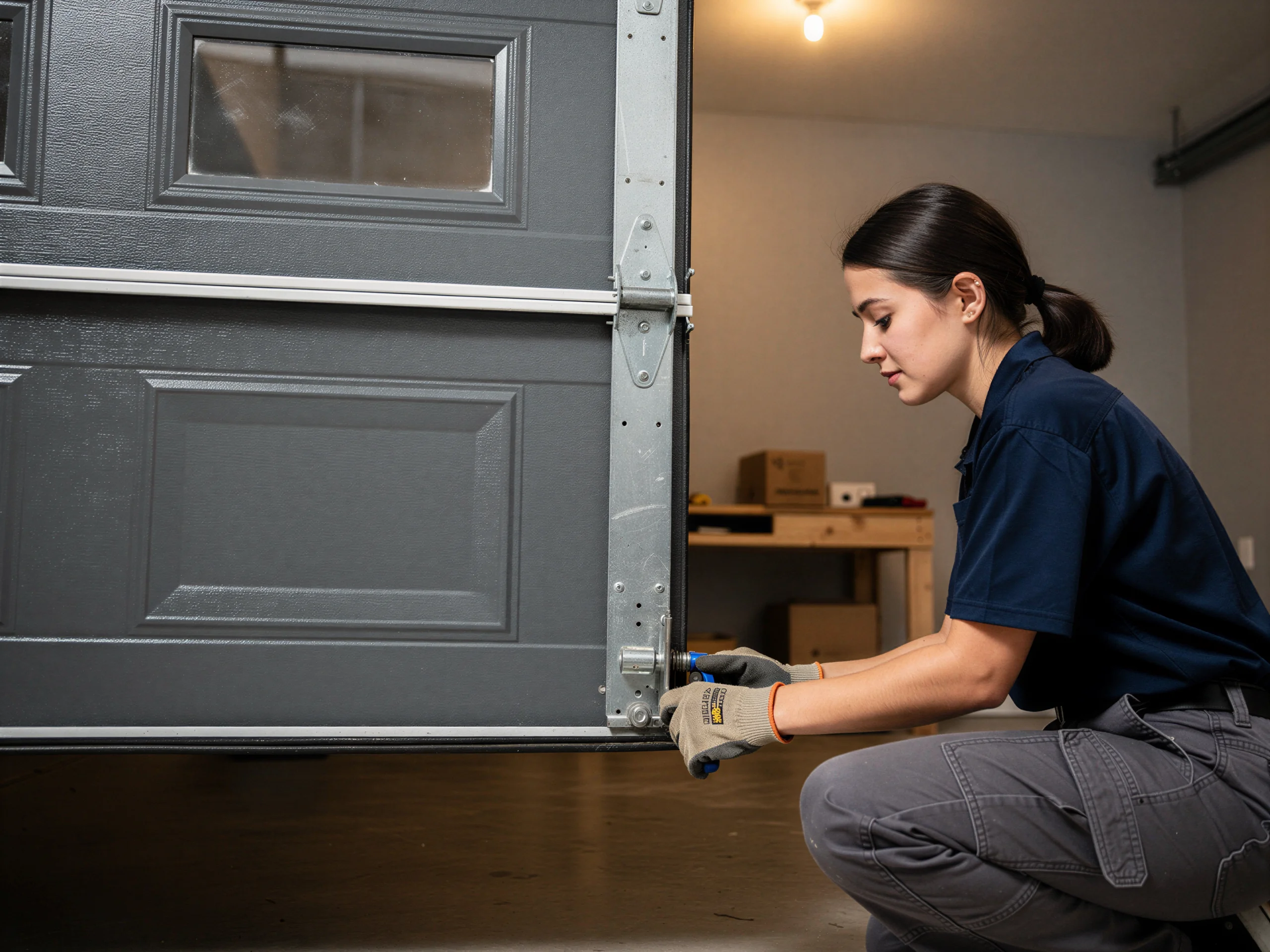
Garage Door Repair
Keystone Heights homes run about five years older than the rest of the service area. Learn more →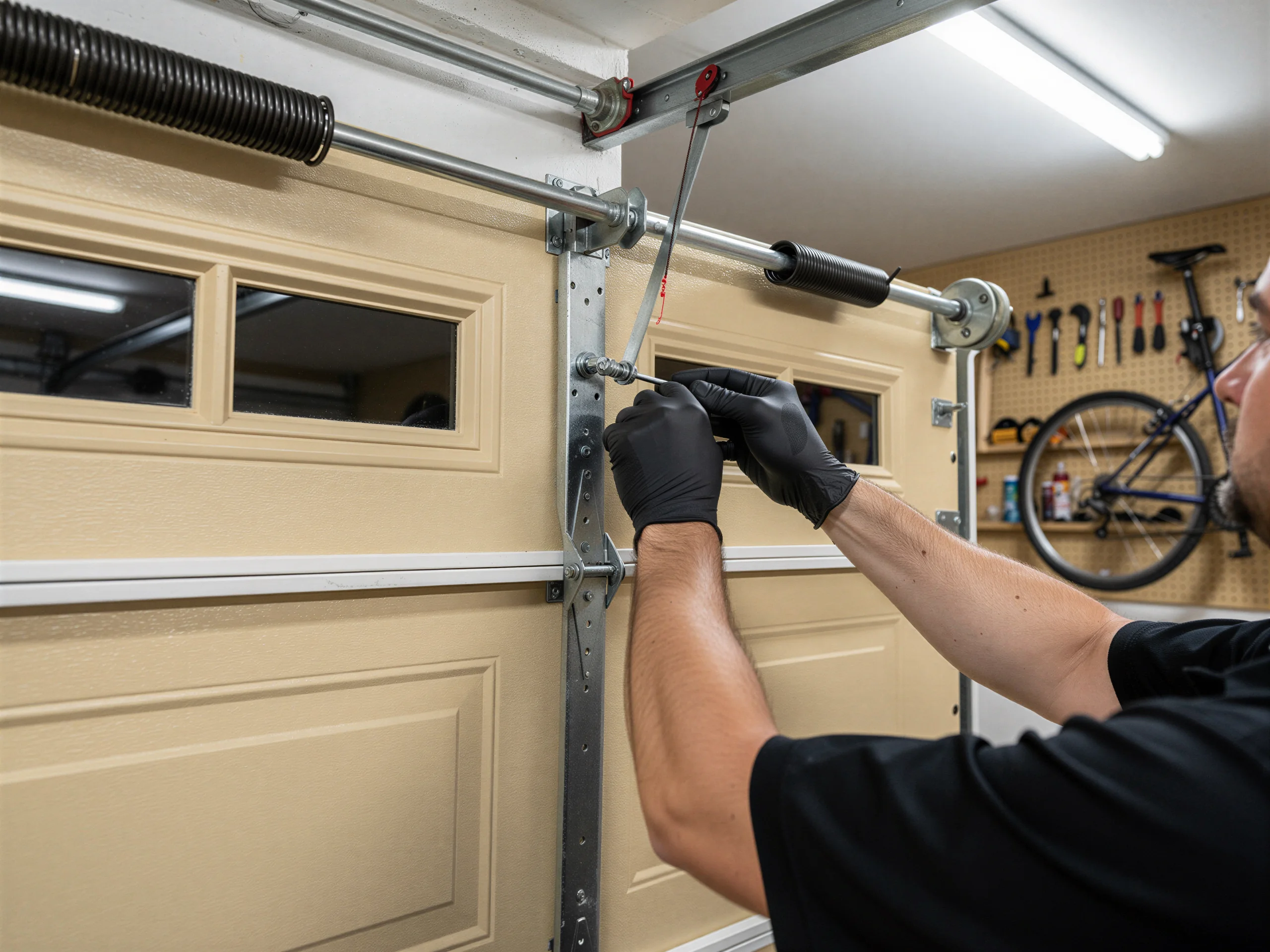
Garage Door Service
Garage door repair for Keystone Heights homes built mostly in the early 1970s, covered from Gainesville, 20 miles out. Learn more →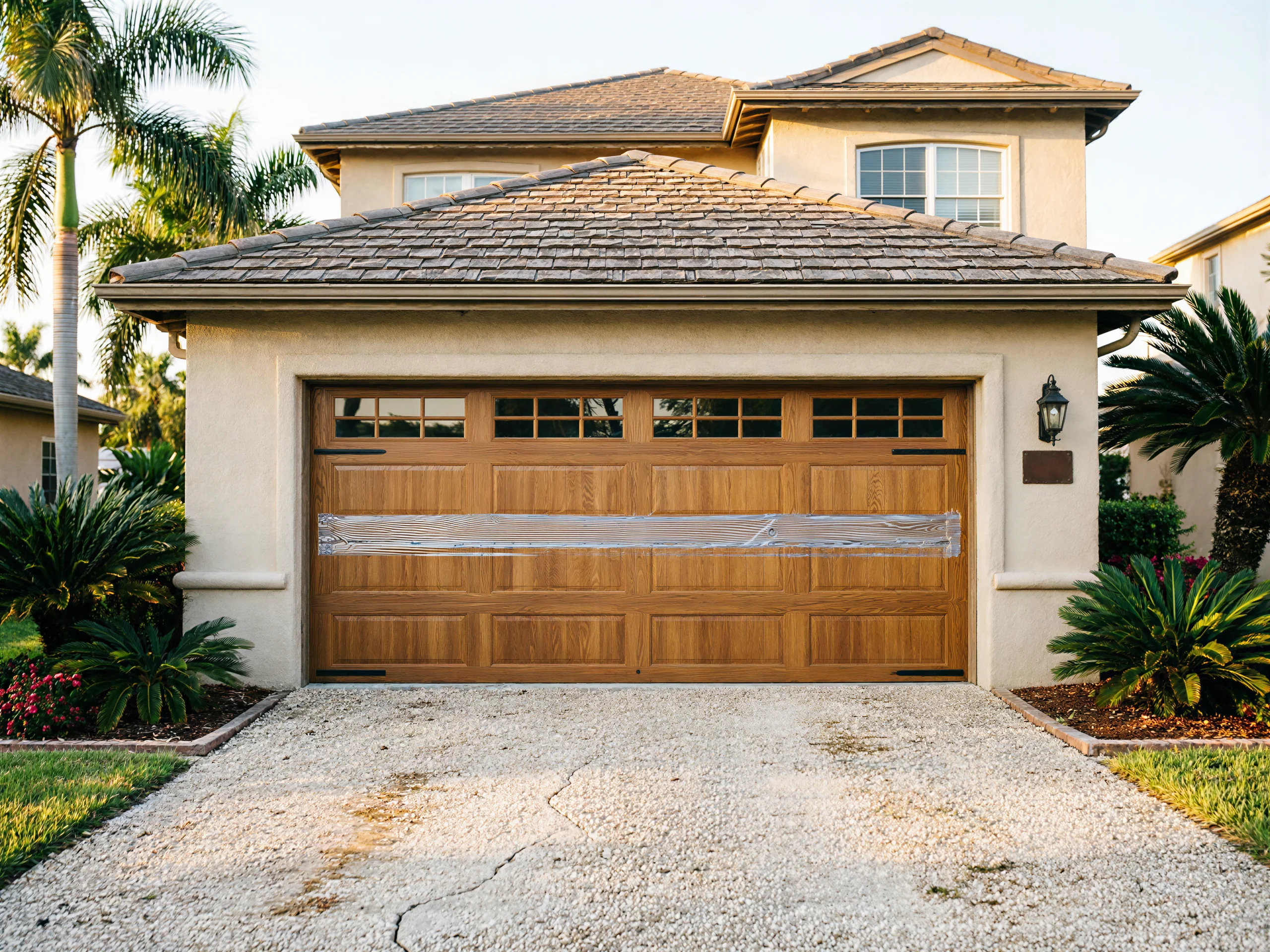
New Door Installation
Installing a new garage door in Keystone Heights means replacing hardware that's been original since 1970, on a 20-mile service run from Gainesville, FL. Learn more →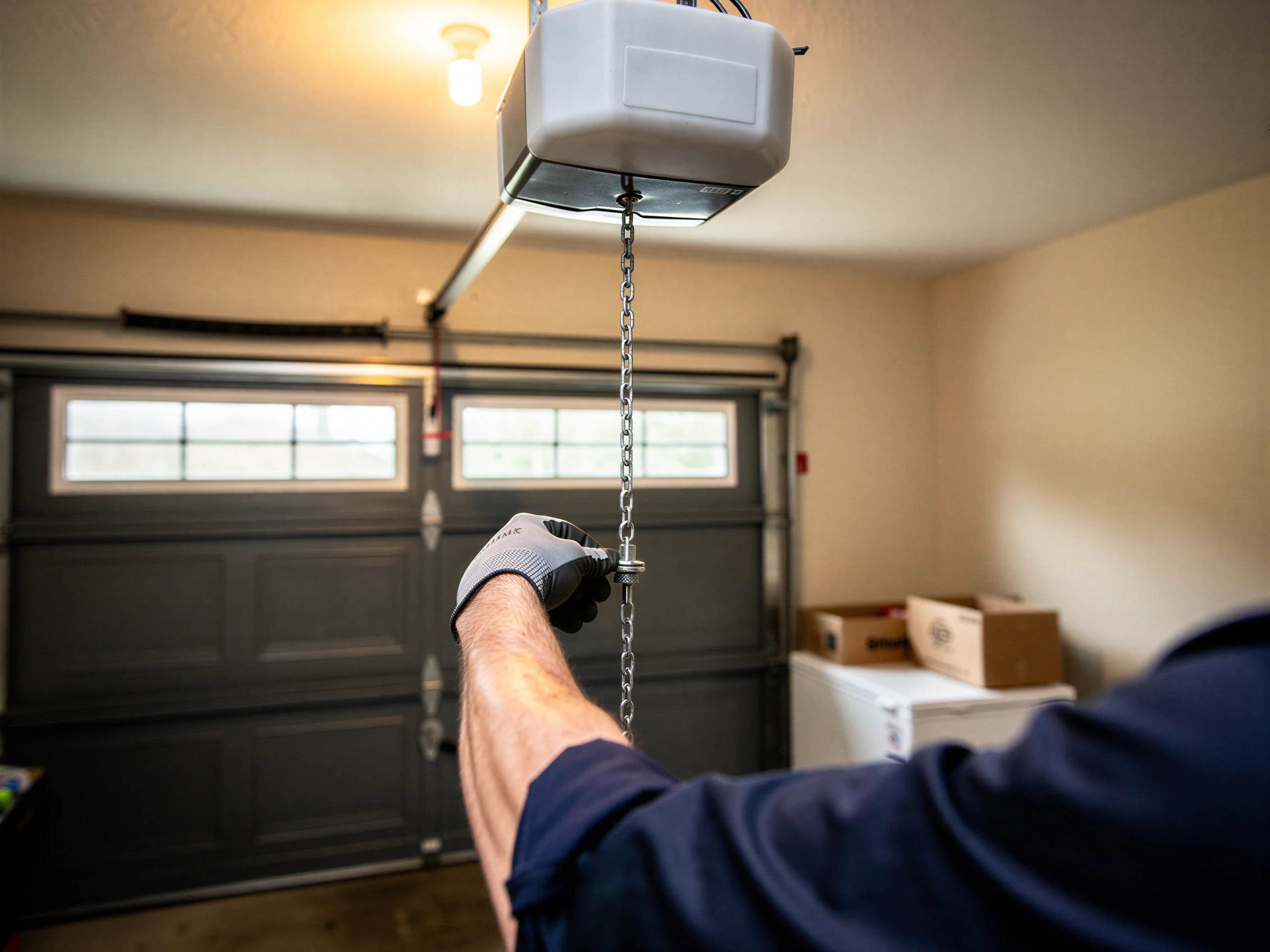
Opener Repair
Garage door opener repair for Keystone Heights homes, 20 miles from our Gainesville shop. Learn more →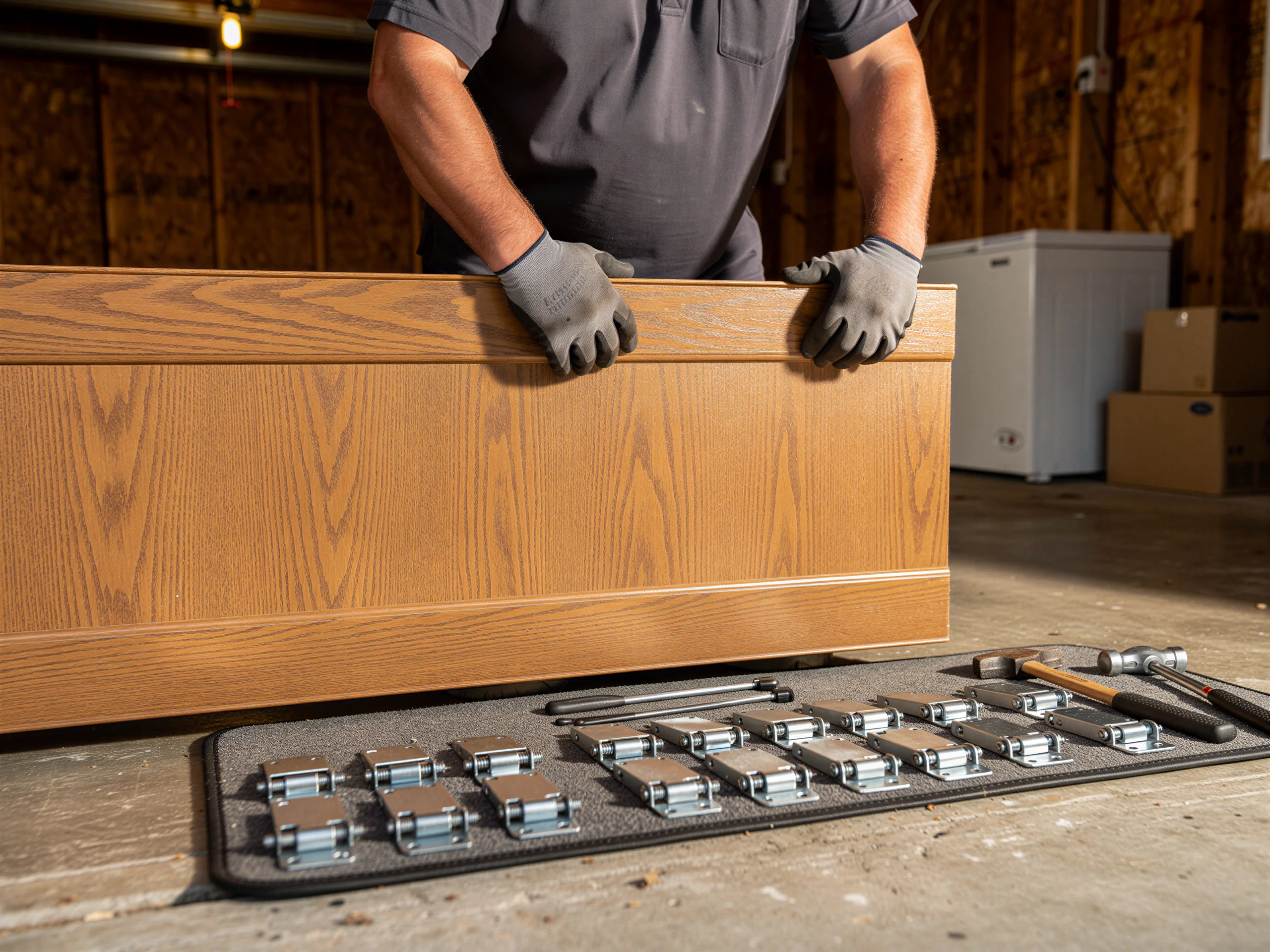
Panel Replacement
Panel replacement for Keystone Heights homes, most built around 1970. Learn more →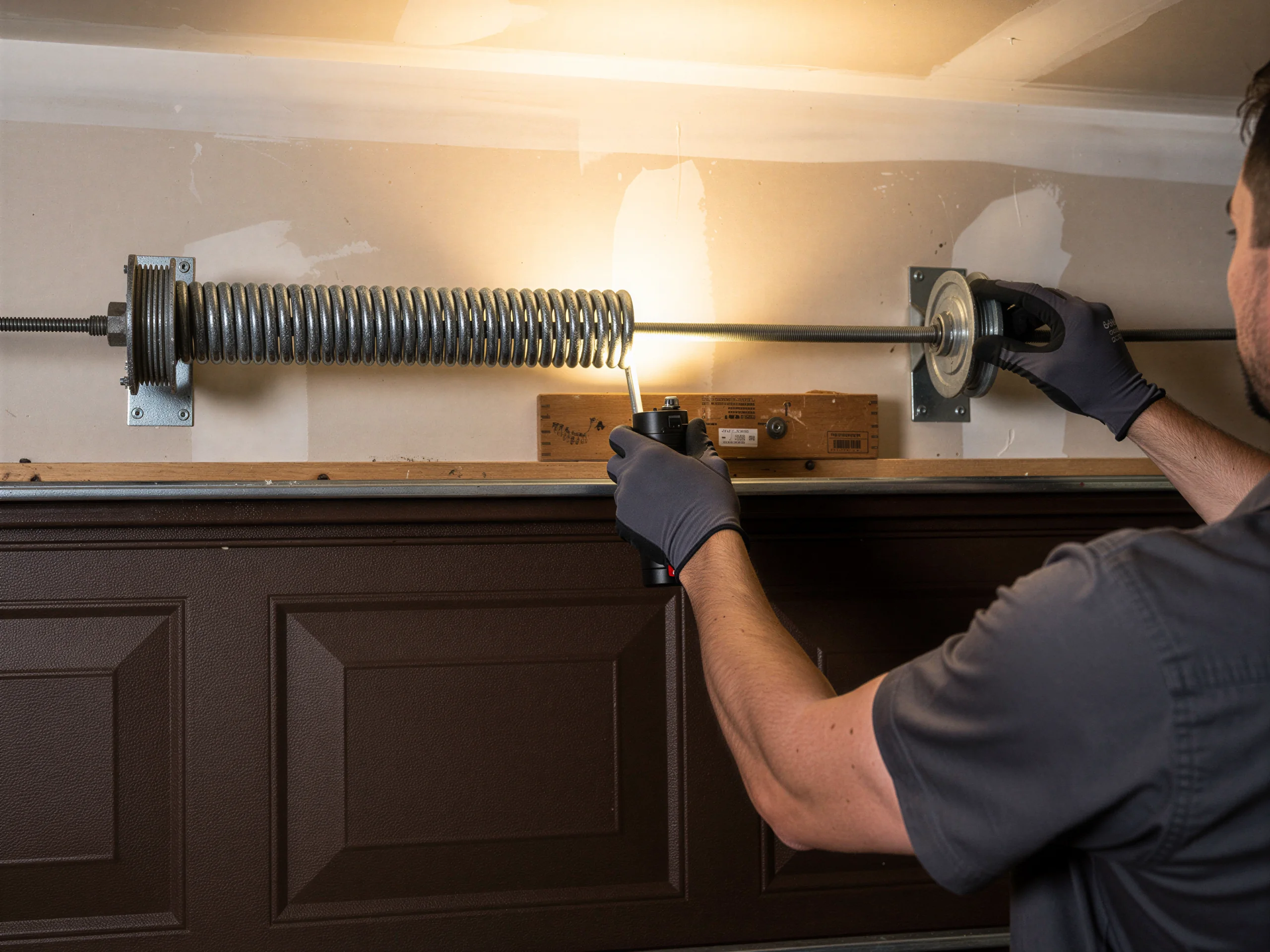
Spring Repair
Torsion and extension spring repair for Keystone Heights homes built around 1970, served from Gainesville 20 miles out. Learn more →Ready when you are
Garage door off its track in Keystone Heights?
Gainesville Garage Door Pros repairs and installs garage doors, springs and openers in Gainesville, FL and the surrounding area.